How To Maintain Weight After Losing & Avoid Regaining
Published: 27 Jun 2026
Losing weight is a big achievement, but maintaining that weight loss can be even more challenging. Many people regain weight because they return to old eating habits or stop following healthy routines. Weight maintenance is not about strict dieting; it is about building a sustainable lifestyle. When you focus on consistency instead of perfection, long-term success becomes easier.
If you want to maintain your weight after losing it, follow these practical and proven strategies below.
How To Maintain Weight After Losing: Best Ways
Maintaining your weight after losing it requires the same healthy habits that helped you achieve your goal. A balanced diet, regular physical activity, and consistent lifestyle choices can help prevent weight regain and support long-term success.
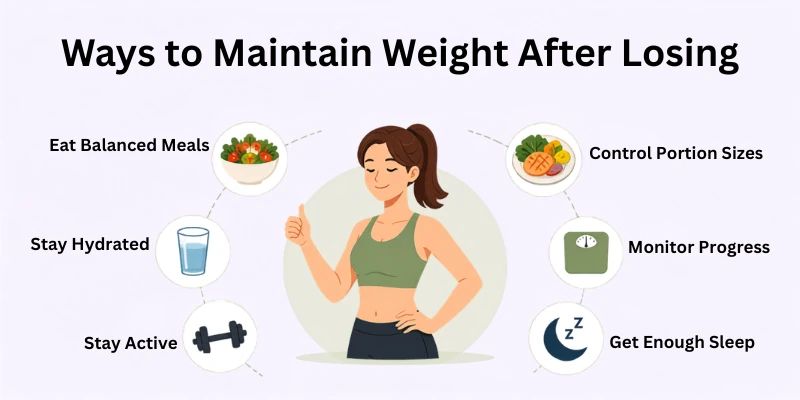
By following these practical strategies, you can maintain your results while enjoying a healthy and sustainable routine. Here are the most effective strategies for long-term weight maintenance:
- Stick to Balanced Eating Habits
- Continue Regular Physical Activity
- Monitor Your Weight Regularly
- Do Not Return to Old Habits
- Prioritize Protein Intake
- Manage Stress Effectively
- Get Enough Sleep
- Stay Hydrated
- Allow Flexible Eating (80/20 Rule)
- Stay Consistent With Healthy Routines
Let us understand each tip in detail.
1. Stick to Balanced Eating Habits
After losing weight, it is important not to return to unhealthy eating patterns. Balanced meals with protein, fiber, and healthy fats help stabilize blood sugar and prevent overeating. Avoid extreme dieting because it is not sustainable long-term. Focus on portion control and nutrient-dense foods instead of calorie restriction alone. Maintaining structure in your meals keeps your weight stable. Consistency is more important than strict rules.
How To Apply:
- Include protein in every meal.
- Eat vegetables and whole grains daily.
- Limit processed and sugary foods.
- Maintain regular meal timing.
- Avoid overeating during weekends.
Benefits:
- Stabilizes appetite.
- Prevents weight regain.
- Supports overall health.
2. Continue Regular Physical Activity
Exercise should not stop after reaching your goal weight. Regular physical activity helps maintain metabolism and burn excess calories. Strength training is especially helpful because it preserves muscle mass. Muscle supports a higher metabolic rate, which helps maintain weight. Daily movement also improves mood and reduces stress-related eating.
How To Apply:
- Exercise at least 3–5 times per week.
- Include strength training twice weekly.
- Walk 8,000–10,000 steps daily.
- Stay active on weekends.
- Choose activities you enjoy.
Benefits:
- Maintains metabolism.
- Prevents fat regain.
- Improves energy and mood.
3. Monitor Your Weight Regularly
Tracking your weight helps you notice small changes before they become big problems. Weight naturally fluctuates slightly, which is normal. Regular monitoring allows early adjustments in diet or activity. Awareness prevents gradual weight regain over months. Tracking does not mean obsession; it means staying informed.
How To Apply:
- Weigh yourself once a week.
- Track measurements if needed.
- Adjust eating habits if weight increases slightly.
- Monitor how clothes fit.
- Stay calm during small fluctuations.
Benefits:
- Detects early weight gain.
- Encourages accountability.
- Supports long-term stability.
4. Avoid Returning to Old Habits
Old habits are the main reason people regain weight. Emotional eating, late-night snacking, or overeating during stress can slowly reverse progress. Staying mindful of previous habits helps prevent relapse. Replace unhealthy patterns with healthier alternatives. Long-term awareness protects your results.
How To Apply:
- Identify old habits that caused weight gain.
- Avoid frequent junk food consumption.
- Control portion sizes.
- Plan meals instead of eating randomly.
- Stay mindful during social events.
Benefits:
- Prevents relapse.
- Builds discipline.
- Protects your progress.
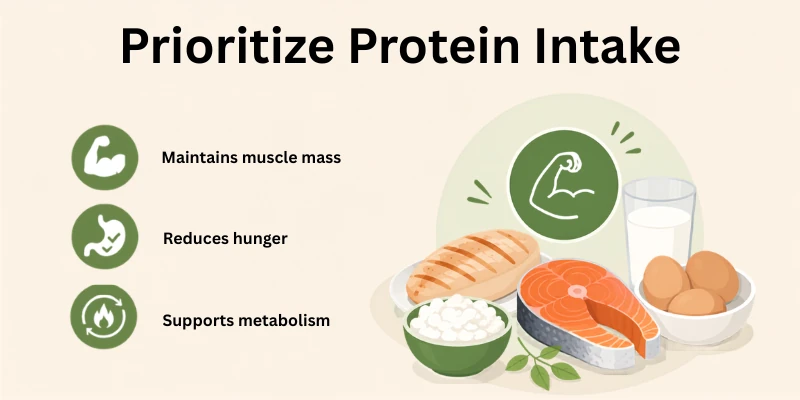
5. Prioritize Protein Intake
Protein helps maintain muscle mass and keeps you full longer. During weight loss, some muscle may be lost, so maintaining protein intake supports metabolism. Protein reduces cravings and stabilizes hunger hormones. Including adequate protein daily supports weight maintenance naturally.
How To Apply:
- Eat eggs, yogurt, beans, or lean meat daily.
- Include protein snacks if needed.
- Aim for balanced portions in each meal.
- Avoid high-carb meals without protein.
- Spread protein intake throughout the day.
Benefits:
- Maintains muscle mass.
- Reduces hunger.
- Supports metabolism.
6. Manage Stress Effectively
Stress can trigger overeating and emotional eating, leading to weight regain. High cortisol levels increase cravings for sugary and fatty foods. Managing stress helps control these urges. Healthy coping strategies support long-term weight stability.
How To Apply:
- Practice meditation or breathing exercises.
- Exercise regularly.
- Maintain a daily routine.
- Talk to supportive people.
- Take short breaks during busy days.
Benefits:
- Reduces emotional eating.
- Improves mental health.
- Supports balanced habits.
7. Get Enough Sleep
Poor sleep affects hunger hormones and increases appetite. When you are tired, your body craves quick energy from unhealthy foods. Getting 7–8 hours of sleep helps regulate appetite and metabolism. Quality sleep supports better decision-making around food.
How To Apply:
- Maintain a fixed sleep schedule.
- Avoid screens before bedtime.
- Limit caffeine in the evening.
- Create a relaxing nighttime routine.
- Keep your bedroom comfortable and dark.
Benefits:
- Regulates hunger hormones.
- Reduces cravings.
- Improves overall well-being.
8. Stay Hydrated
Drinking enough water supports metabolism and prevents mistaking thirst for hunger. Proper hydration helps control appetite and improve digestion. Staying hydrated also supports energy levels throughout the day.
How To Apply:
- Drink 8–10 glasses of water daily.
- Start your day with water.
- Carry a water bottle.
- Drink water before meals.
- Limit sugary beverages.
Benefits:
- Controls appetite.
- Supports digestion.
- Maintains energy levels.
9. Follow the 80/20 Rule
Weight maintenance does not require perfection. The 80/20 rule means eating healthy 80% of the time and allowing flexibility 20% of the time. This prevents feelings of restriction and binge eating. Balance is key to long-term success. Sustainable habits matter more than strict dieting.
How To Apply:
- Eat nutritious meals most of the week.
- Allow small treats occasionally.
- Avoid extreme cheat days.
- Practice portion control during indulgence.
- Return to routine immediately after treats.
Benefits:
- Prevents burnout.
- Reduces binge eating.
- Encourages long-term balance.
10. Stay Consistent With Healthy Routines
Consistency is the foundation of weight maintenance. Small daily habits add up over time. Skipping routines occasionally is normal, but returning quickly prevents setbacks. Focus on long-term discipline rather than short-term motivation.
How To Apply:
- Maintain structured meal timing.
- Exercise regularly.
- Track habits weekly.
- Set small health goals.
- Celebrate progress without food rewards.
Benefits:
- Creates sustainable lifestyle changes.
- Reduces reliance on motivation.
- Protects your weight loss results.
Final Note
In this guide, we have covered how to maintain weight after losing it with ten easy ways. Maintaining weight requires commitment, awareness, and balanced habits. It is not about dieting forever, but about building a healthy lifestyle you can follow long-term.
Personal recommendation: Focus on simple daily habits like portion control, regular movement, proper sleep, and stress management. Do not go back to extreme dieting. Stay consistent, track your progress weekly, and make small adjustments when needed. Consistency always gives better results than perfection.
FAQs
Here are some of the most commonly asked questions related to how to maintain weight after losing it:
People often regain weight when they return to old eating habits. They may reduce physical activity after reaching their goal. Small daily overeating can slowly add extra weight. Staying consistent prevents regression.
Weigh yourself once a week for better control. Weekly tracking helps you notice small changes early. Daily weighing can cause unnecessary stress. Stay calm and focus on long-term trends.
Yes, regular exercise supports metabolism and controls fat gain. It helps you burn extra calories and maintain muscle mass. Even simple activities like walking make a difference. Stay active most days of the week.
Yes, you can enjoy your favorite foods in moderation. Follow the 80/20 rule eat healthy 80% of the time and enjoy treats 20%. Portion control is important. Balance keeps your lifestyle sustainable.
Weight maintenance is a lifelong journey. Healthy habits become easier with time. Consistency makes the process natural. Focus on building routines you can follow forever.
Tracking calories can help you stay aware of your intake. You do not need to track forever, but it helps in the beginning. It prevents overeating and supports balance. Over time, you can rely more on mindful eating.
Yes, good sleep supports hormone balance and appetite control. Poor sleep increases cravings and hunger. Aim for 7–8 hours of quality sleep daily. Proper rest protects your weight results.





- Be Respectful
- Stay Relevant
- Stay Positive
- True Feedback
- Encourage Discussion
- Avoid Spamming
- No Fake News
- Don't Copy-Paste
- No Personal Attacks
- Be Respectful
- Stay Relevant
- Stay Positive
- True Feedback
- Encourage Discussion
- Avoid Spamming
- No Fake News
- Don't Copy-Paste
- No Personal Attacks
