How to Lower Cholesterol: Simple Steps for Heart Health
Published: 4 Apr 2026
High cholesterol raises the risk of heart disease and stroke. You can reduce cholesterol with simple daily changes.
This guide explains how to lower cholesterol naturally and with medical support when needed. Read the steps and pick the ones you can start today.
So let’s get started and cover every detail without wasting any time.
How to Lower Cholesterol: Key Tips
In this section, you will see the main methods that reduce cholesterol. These methods work together best when you use many of them. You will get diet, exercise, lifestyle, supplement, and medical options. Use the list below to pick what fits your life.
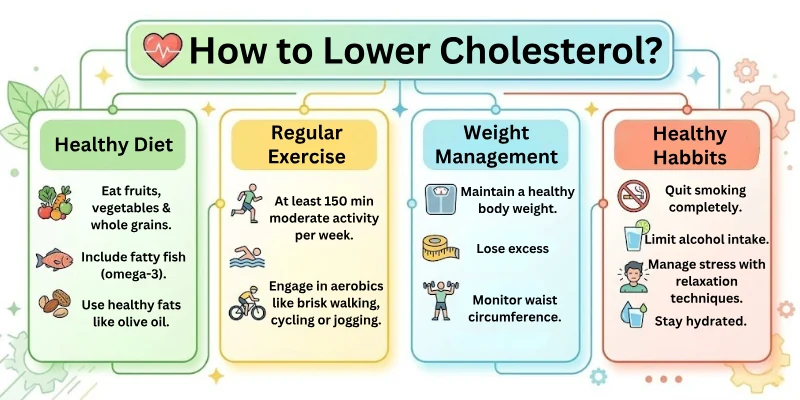
Main Methods
- Eat a Cholesterol Lowering Diet
- Cut Saturated and Trans Fats
- Eat More Soluble Fiber
- Add Healthy Fats and Omega 3s
- Use Plant Sterols and Stanols
- Lose Extra Weight
- Exercise Regularly
- Quit Smoking
- Limit Alcohol
- Manage Stress and Sleep Well
- Consider Supplements Carefully
- Monitor Levels and Follow Medical Advice
Let us cover all these in detail.
1. Eat a Cholesterol Lowering Diet
A good diet gives your body fewer cholesterol building blocks. You lower LDL and improve heart health by choosing whole foods. Small changes in what you eat add up over weeks. Focus on real foods and cut processed snacks.
- Choose whole grains like oats, barley, and brown rice.
- Eat plenty of vegetables and fruits every day.
- Use beans, lentils, and peas as protein sources.
- Prefer lean proteins such as fish, skinless poultry, and tofu.
- Replace white bread and pasta with whole grain versions.
2. Cut Saturated and Trans Fats
Saturated and trans fats raise bad LDL cholesterol. Reducing these fats helps your blood vessels stay clear. Read food labels and avoid fried and processed foods. Cook with healthier methods instead of deep frying.
- Avoid fatty cuts of red meat and processed meats.
- Limit butter, ghee, cream, and full fat dairy.
- Do not buy margarine or bakery items with trans fats.
- Choose low fat or nonfat dairy products.
- Bake, grill, steam, or roast instead of frying.
3. Eat More Soluble Fiber
Soluble fiber binds cholesterol in your gut and helps remove it. You will lower LDL when you eat fiber rich foods daily. Fiber also helps control blood sugar and keeps you full. Aim to add a few servings each day.
- Eat oats and oat bran for breakfast.
- Add beans, lentils, and peas to soups and salads.
- Snack on apples, pears, and citrus fruits.
- Include vegetables like carrots and Brussels sprouts.
- Try a daily spoon of ground flaxseed or chia seeds.
4. Add Healthy Fats and Omega 3s
Healthy fats help raise good HDL and reduce inflammation. Omega 3 fats from fish lower triglycerides and support heart health. Use oils and foods that protect your arteries. Replace harmful fats with these healthy choices.
- Eat oily fish two times a week such as salmon or mackerel.
- Use olive oil or canola oil for cooking and salads.
- Snack on nuts like almonds and walnuts in small portions.
- Add seeds such as flax and chia to cereals and smoothies.
- Avoid excess coconut oil and palm oil.
5. Use Plant Sterols and Stanols
Plant sterols and stanols block cholesterol absorption in the intestine. They work like a natural shield to reduce LDL. Many foods now add these ingredients. You may also get them in supplement form after talking to your doctor.
- Choose fortified margarines or spreads with sterols.
- Try fortified orange juice or yogurt drinks if available.
- Look for foods with 0.8 to 2 grams of plant sterols per day.
- Use them as part of your diet, not a replacement for healthy food.
- Ask your doctor before starting supplements.
6. Lose Extra Weight
Losing as little as 5 to 10 percent of your weight improves cholesterol. Weight loss lowers LDL and triglycerides and raises HDL. You achieve this through diet and steady activity. Small steady losses work better than crash diets.
- Create a small calorie deficit with healthier meals.
- Track portions and avoid sugary drinks.
- Aim for slow weight loss of 0.5 to 1 kg per week.
- Combine diet changes with regular exercise.
- Get support from a dietitian if you need help.
7. Exercise Regularly
Exercise strengthens your heart and helps change cholesterol numbers the right way. Aerobic activity lowers LDL and raises HDL. Short sessions add up during the week. Keep consistent for the best results.
- Aim for at least 150 minutes of moderate exercise weekly.
- Try brisk walking, cycling, swimming, or dancing.
- Add two strength sessions per week to build muscle.
- Break activity into 10 to 15 minute bouts if needed.
- Use stairs and walk rather than drive when possible.
8. Quit Smoking
Smoking lowers good HDL cholesterol and damages blood vessels. Quitting improves HDL and reduces heart risk fast. Many benefits start within weeks of stopping. Use help when needed.
- Get support through counseling or quit groups.
- Try nicotine replacement if your doctor recommends it.
- Avoid smoke exposure at home and work.
- Reward small milestones to stay motivated.
- Ask your doctor about medicines to help you stop.
9. Limit Alcohol
Too much alcohol raises triglycerides and can raise blood pressure. Small amounts may help HDL but the risk often outweighs the gain. Drink in moderation or avoid alcohol if you have high cholesterol.
- Men should limit to two standard drinks per day.
- Women should limit to one standard drink per day.
- Replace alcohol with water, tea, or sparkling water.
- Watch portion sizes and avoid heavy drinking sessions.
- Talk to your doctor if you take medicines that interact with alcohol.
10. Manage Stress and Sleep Well
Stress changes hormones and may raise bad cholesterol over time. Poor sleep also harms metabolism and weight control. Managing stress and sleeping well help your whole heart system. Small daily habits improve both.
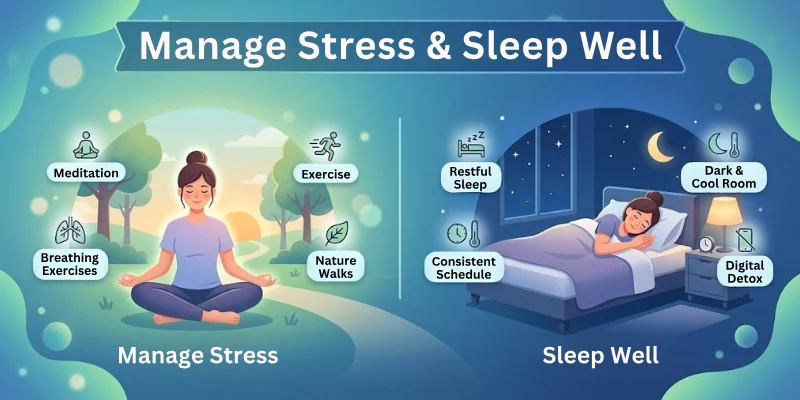
- Practice deep breathing, short meditation, or yoga.
- Keep a regular sleep schedule and get 7 to 8 hours nightly.
- Limit screens before bedtime and create a calm bedroom.
- Do hobbies and social activities to relieve stress.
- Seek help if anxiety or depression affects your life.
11. Consider Supplements Carefully
Some supplements help lower cholesterol, but results vary. Always talk to your doctor because supplements can interact with medicines. Use evidence based options and stop if side effects appear.
- Fish oil can lower triglycerides at higher doses.
- Psyllium husk gives soluble fiber to lower LDL.
- Red yeast rice may lower LDL but can act like a statin and needs medical supervision.
- Plant stanol/sterol supplements help reduce LDL.
- Avoid unproven products and ask your doctor first.
12. Monitor Levels and Follow Medical Advice
You need lab tests to know your cholesterol numbers and progress. Doctors use LDL, HDL, total cholesterol, and triglycerides to guide treatment. Some people need medication plus lifestyle work. Follow your health team and review results regularly.
- Check cholesterol every 4 to 12 months as advised.
- Share lifestyle changes and side effects with your doctor.
- Take prescribed medicines exactly as directed.
- Discuss goals for LDL, HDL, and triglycerides.
- Ask about heart risk calculators and next tests.
When to Start Medicines
Lifestyle helps most people, but some need medicine to lower cholesterol fast or strongly. People with very high LDL or those who already have heart disease often need medicines. Your doctor decides based on your risk, numbers, and other health issues.
- If LDL stays very high despite diet and exercise, consider statins.
- People with past heart attack, stroke, or diabetes may need drugs.
- Statins lower LDL and reduce heart events.
- Talk with your doctor about benefits and side effects.
- Never stop or change medicine without medical advice.
Practical Weekly Plan to Lower Cholesterol
This simple plan helps you start and stay on track.
- Monday: Oatmeal breakfast, 30 minute brisk walk, salad with olive oil.
- Tuesday: Bean soup, strength training 20 minutes, fresh fruit snack.
- Wednesday: Fish for dinner, 30 minute bike ride, handful of nuts.
- Thursday: Whole grain lunch, yoga or stretching, vegetable stir fry.
- Friday: Lentil curry, evening walk, avoid alcohol.
- Weekend: Plan healthy meals, longer activity like hiking, review progress.
Final Note
In this guide we have covered how to lower cholesterol with a clear plan that includes diet, exercise, weight loss, quitting smoking, stress control, supplements, and medical care.
I recommend start with small changes you can keep and track your numbers with your doctor. Be patient and steady because lasting change takes time. Take care of your heart and enjoy better health. Goodbye and stay well. ❤️
FAQs: How to Lower Cholesterol
Here are some of the most commonly asked questions related to decreasing cholesterol naturally:
You can see changes in 4 to 12 weeks after consistent diet and activity. Most people get measurable LDL drops in about three months. Keep the habits to get lasting results.
Oats, beans, lentils, and barley give soluble fiber that lowers LDL. Nuts, olive oil, and fatty fish improve HDL and lower triglycerides. Limit red meat and processed foods for best results.
Eggs contain cholesterol but they do not raise blood cholesterol for most people. Eating eggs in moderation fits a heart healthy diet. If you have very high LDL, talk to your doctor about egg intake.
Your doctor decides if you need statins after assessing your heart risk and cholesterol numbers. Statins work well to lower LDL and reduce heart attacks. Follow medical advice and report any side effects.
Stress can change hormones and increase harmful lipids over time. Managing stress helps your cholesterol and heart health. Try breathing, exercise, and good sleep to reduce stress.
Some supplements help but they can interact with medicines. Always check with your doctor before starting any supplement. Use only products with good evidence and quality control.
Test every 4 to 12 months when you work on lowering levels. Once stable, most people test every 6 to 12 months as advised. Follow your doctor’s schedule for best care.
Yes, losing even 5 to 10 percent of weight helps lower LDL and triglycerides. Weight loss also improves blood pressure and blood sugar. Combine diet and exercise for steady results.
Small amounts may raise HDL but too much alcohol raises triglycerides. Limit to one drink for women and two for men per day if you drink. Avoid heavy or binge drinking.
Yes, some children have high cholesterol, often due to genetics or diet. Doctors may test children with family history or obesity. Early healthy habits help children lower cholesterol.





- Be Respectful
- Stay Relevant
- Stay Positive
- True Feedback
- Encourage Discussion
- Avoid Spamming
- No Fake News
- Don't Copy-Paste
- No Personal Attacks
- Be Respectful
- Stay Relevant
- Stay Positive
- True Feedback
- Encourage Discussion
- Avoid Spamming
- No Fake News
- Don't Copy-Paste
- No Personal Attacks
