Signs of Emotional Exhaustion: Symptoms You Should Know
Published: 23 May 2026
Have you ever felt completely drained, not just physically but mentally and emotionally too? This might be a sign of emotional exhaustion, which happens when life’s pressures, stress, or personal challenges overwhelm your mind and body.
In this guide, we will explain the signs of emotional exhaustion, why they happen, and practical ways to manage them.
You will learn how to recognize emotional fatigue early, understand its impact, and adopt strategies to regain your energy and peace of mind. By the end, you will feel more in control of your emotions and equipped to care for yourself.
Let’s get started!
Signs of Emotional Exhaustion
Emotional exhaustion affects your mood, energy, and overall well-being. It’s more than feeling tired; it impacts your motivation, relationships, and mental clarity.
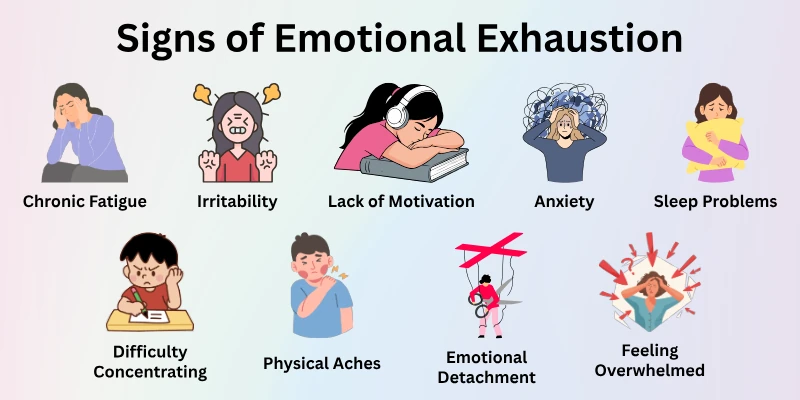
Here, we will cover the main signs of emotional exhaustion so you can identify them before they get worse. Recognizing these signs is the first step toward recovery.
Signs of Emotional Exhaustion:
- Chronic Fatigue
- Irritability and Mood Swings
- Feeling Overwhelmed
- Lack of Motivation
- Anxiety and Worry
- Sleep Problems
- Difficulty Concentrating
- Physical Aches and Pains
- Emotional Detachment
- Loss of Enjoyment
Let’s explore each of these in detail.
1. Chronic Fatigue
Feeling tired all the time is one of the strongest signals of emotional exhaustion. This is not regular tiredness, it’s a deep, persistent fatigue that sleep alone cannot fix.
- Your energy levels drop even after a full night’s sleep.
- Simple tasks like cooking or cleaning feel like climbing a mountain.
- Your mind may feel sluggish, making decision-making slower.
- You may experience a lack of energy for social activities, even when you want to join.
- Daily responsibilities feel heavier, and small challenges feel like big problems.
Tip: Listen to your body. Try taking short walks, stretching, or light exercise to gently restore energy.
2. Irritability and Mood Swings
Emotional exhaustion can make you more sensitive, frustrated, or impatient than usual. Mood swings can come unexpectedly, leaving you or others feeling confused.
- Minor inconveniences may trigger strong reactions.
- You may feel impatient with colleagues, friends, or family.
- Emotional highs and lows can feel exhausting and unpredictable.
- You may notice yourself overreacting to small comments or situations.
- Even things you once enjoyed can suddenly feel irritating.
Tip: Practice deep breathing or mindfulness exercises to calm sudden irritability and regain emotional balance.
3. Feeling Overwhelmed
When emotionally exhausted, even normal daily tasks can feel unmanageable. Your mind struggles to keep up, creating stress that feels constant.
- Daily responsibilities pile up faster than you can handle.
- You may feel stuck or trapped by obligations.
- Multitasking becomes almost impossible.
- Stress seems unavoidable, even for small issues.
- You may feel mentally “frozen,” unsure where to start.
Tip: Break tasks into small steps and focus on one thing at a time to reduce overwhelm.
4. Lack of Motivation
Emotional exhaustion can make everything feel like a chore. Motivation to work, socialize, or pursue hobbies may disappear.
- You may struggle to get out of bed in the morning.
- Tasks you used to enjoy may feel pointless.
- Procrastination increases, and deadlines feel more stressful.
- Even small achievements feel unrewarding.
- Your energy and interest in personal goals decline.
Tip: Set achievable mini-goals daily to create a sense of progress and accomplishment.
5. Anxiety and Worry
Constant worry is another sign of emotional exhaustion. Your mind may feel overactive, thinking about problems constantly without a break.
- You may worry about work, family, or personal issues excessively.
- “What if” thoughts dominate your mind, making it hard to focus.
- Anxiety may show up physically with a racing heart or tense muscles.
- Stress becomes persistent, making relaxation feel impossible.
- Daily life may feel like walking on eggshells.
Tip: Journaling worries or talking with a trusted friend can help release pent-up anxiety.
6. Sleep Problems
Insomnia, restless sleep, or waking up tired can occur when emotional exhaustion affects your brain’s ability to rest.
- Falling asleep may take hours, even when you feel exhausted.
- Sleep may be interrupted, leaving you groggy in the morning.
- You may rely on naps that do not restore energy.
- Nightmares or racing thoughts may disturb rest.
- Poor sleep can worsen mood swings and fatigue.
Tip: Create a calm bedtime routine, avoid screens before sleep, and consider relaxing music or meditation.
7. Difficulty Concentrating
Your mind may feel foggy or distracted when emotionally exhausted. Concentration becomes a challenge, affecting work or learning.
- Tasks take longer to complete due to lack of focus.
- Forgetfulness may increase, such as misplacing items or missing appointments.
- Reading, studying, or following instructions can feel harder.
- Your brain may drift during conversations or meetings.
- Multitasking becomes frustrating and stressful.
Tip: Prioritize important tasks, reduce distractions, and take short mental breaks to restore focus.
8. Physical Aches and Pains
Emotional strain often shows up in the body. Headaches, back pain, and muscle tension are common.
- Muscle stiffness or neck pain may increase.
- Stomach issues, nausea, or indigestion can occur.
- You may feel pain without an obvious physical cause.
- Tension headaches are common after stressful days.
- Physical discomfort can worsen mental fatigue, creating a cycle of stress.
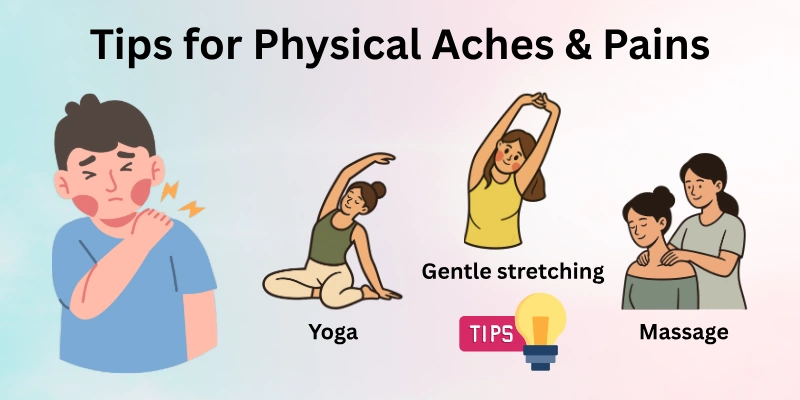
Tip: Gentle stretching, yoga, or massage can relieve physical tension caused by emotional exhaustion.
9. Emotional Detachment
Feeling distant or disconnected from others is a sign that your emotions are depleted. You may feel numb or disengaged.
- Relationships may feel less meaningful.
- Social interactions may feel draining.
- You may withdraw from friends or family.
- Emotional numbness can make it hard to express feelings.
- You may feel like no one truly understands you.
Tip: Small, meaningful interactions with supportive people can slowly restore emotional connection.
10. Loss of Enjoyment
Activities you once loved may no longer bring joy, signaling emotional exhaustion. Life may feel dull or monotonous.
- Hobbies and entertainment feel like chores.
- Achievements no longer bring satisfaction.
- Fun experiences may feel stressful instead of enjoyable.
- Daily life may feel colorless or heavy.
- Even small pleasures may go unnoticed.
Tip: Reintroduce small joyful activities gradually and celebrate minor successes to rebuild pleasure.
Additional Ways to Manage Emotional Exhaustion
Here are some additional ways to manage emotional exhaustion:
- Practice mindfulness or meditation daily to calm the mind.
- Take short breaks during work or study to recharge.
- Maintain a healthy diet rich in fruits, vegetables, and hydration.
- Exercise regularly, even light walks can improve mood.
- Set realistic goals and prioritize tasks to reduce stress.
- Keep a gratitude journal to shift focus from negativity to positivity.
- Connect with supportive friends, family, or counselors.
- Limit exposure to stressful news or social media.
Final Note
In this guide, we have covered signs of emotional exhaustion and detailed ways to recognize and manage them. Emotional exhaustion is common, but understanding it early can help you regain control and protect your mental and physical health. Personal self-care, mindfulness, and small daily actions can make a big difference.
Remember, your emotional well-being is important; listen to your body, take breaks, and reach out for support when needed.
Take care of yourself, be kind to your emotions, and stay mindful. Goodbye, goodbye, goodbye.
FAQs
Here are some of the most commonly asked questions related to the signs of emotional exhaustion:
Early signs of emotional exhaustion include constant tiredness, feeling overwhelmed, and losing interest in daily activities. You may feel mentally drained even after resting. These signs often appear before full burnout.
Normal tiredness improves with rest, but emotional exhaustion does not. If you feel mentally drained, emotionally empty, and stressed for many days, it may be emotional exhaustion. Long-term stress is usually the main cause.
Yes, emotional exhaustion can cause headaches, body pain, stomach issues, and sleep problems. Stress affects the nervous system, which impacts physical health. Over time, symptoms may worsen if ignored.
Chronic stress, work pressure, emotional trauma, and lack of rest are common causes. Caring too much without taking breaks can also lead to emotional burnout. Poor work-life balance increases the risk.
Emotional exhaustion is a major part of burnout but not the same thing. Burnout includes emotional, mental, and physical exhaustion together. Emotional exhaustion often comes first.
The duration depends on stress levels and self-care habits. With proper rest and emotional support, recovery can start within weeks. Without care, it may last for months.
Yes, emotional exhaustion can make you emotionally distant and irritable. You may avoid conversations or feel disconnected from loved ones. This can create misunderstandings and conflict.
Yes, untreated emotional exhaustion can increase anxiety and depression risk. Constant stress weakens emotional resilience. Early care helps prevent serious mental health issues.
Taking breaks, setting boundaries, and practicing mindfulness help recovery. Healthy sleep, light exercise, and emotional support are also important. Small daily changes make a big difference.
If emotional exhaustion lasts for several weeks or affects daily life, seek help. Therapy or counseling can provide guidance and support. Professional care speeds up recovery.



- Be Respectful
- Stay Relevant
- Stay Positive
- True Feedback
- Encourage Discussion
- Avoid Spamming
- No Fake News
- Don't Copy-Paste
- No Personal Attacks
- Be Respectful
- Stay Relevant
- Stay Positive
- True Feedback
- Encourage Discussion
- Avoid Spamming
- No Fake News
- Don't Copy-Paste
- No Personal Attacks
