How to Prevent Migraine Attacks: 10 Natural Ways
Published: 12 May 2026
Migraines are intense headaches often accompanied by nausea and sensitivity to light and sound. They can disrupt your daily life and reduce your productivity. While migraines cannot always be completely cured, there are many effective ways to prevent migraine attacks naturally.
In this guide, we will cover practical tips, lifestyle changes, diet advice, and home remedies to reduce the frequency and severity of migraine attacks. By the end, you’ll have actionable strategies to manage migraines and improve your quality of life.
How to Prevent Migraine Attacks
Preventing migraine attacks requires understanding triggers, adopting healthy lifestyle habits, and making small daily adjustments. Many people can reduce migraine frequency by focusing on hydration, nutrition, sleep, and stress management.
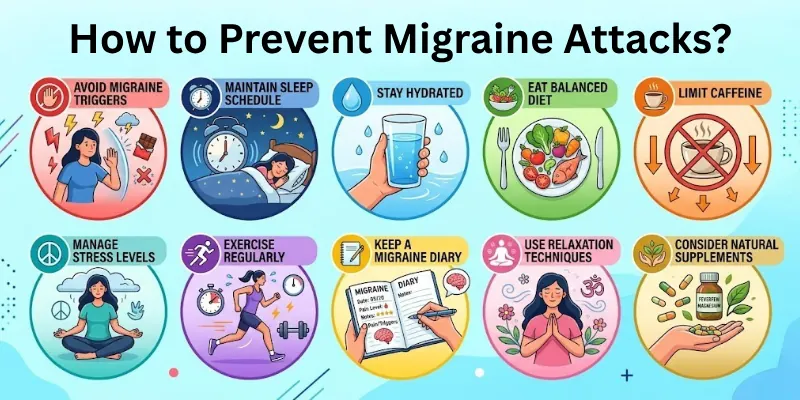
Here are the main ways to prevent migraine attacks naturally:
- Identify and Avoid Migraine Triggers
- Maintain a Regular Sleep Schedule
- Stay Hydrated
- Eat a Balanced Diet
- Limit Caffeine and Alcohol
- Manage Stress Levels
- Exercise Regularly
- Keep a Migraine Diary
- Use Relaxation Techniques
- Consider Natural Supplements
Let us cover all these in detail.
1. Identify and Avoid Migraine Triggers
The first step in preventing migraines is recognizing what triggers your attacks. Common triggers include certain foods (like chocolate, cheese, and processed meats), bright lights, loud noises, hormonal changes, and stress. Keep track of patterns in your migraines to find triggers. Avoiding these triggers can significantly reduce the number of attacks.
Additional Tips:
- Limit exposure to fluorescent lights or bright screens
- Avoid skipping meals, which can trigger migraines
- Be aware of strong odors or perfumes that may cause headaches
2. Maintain a Regular Sleep Schedule
Irregular sleep patterns can increase migraine risk. Aim for 7–8 hours of quality sleep every night. Going to bed and waking up at the same time daily helps regulate your body’s internal clock and reduce migraine frequency. Poor or inconsistent sleep often worsens migraine severity.
Additional Tips:
- Avoid late-night screen use before sleep
- Keep your bedroom dark and quiet
- Take short naps if needed but avoid oversleeping
3. Stay Hydrated
Dehydration is a major trigger for migraine attacks. Drinking enough water daily helps maintain proper blood flow and prevents headaches. Include water, herbal teas, and natural juices to stay hydrated. Avoid excessive sugary or caffeinated drinks, as they may worsen migraines.
Additional Tips:
- Keep a water bottle with you throughout the day
- Drink small amounts frequently rather than large gulps
- Track your daily water intake to ensure consistency
4. Eat a Balanced Diet
A diet rich in fresh fruits, vegetables, whole grains, and lean proteins supports brain health and reduces migraine risk. Avoid foods that can trigger headaches, such as processed foods, artificial sweeteners, and high-sodium snacks. Eating small, regular meals helps prevent blood sugar fluctuations that can lead to migraines.
Additional Tips:
- Include magnesium-rich foods like spinach, pumpkin seeds, and nuts
- Avoid skipping meals to stabilize blood sugar
- Track which foods trigger your migraines and limit them
5. Limit Caffeine and Alcohol
Caffeine in small amounts can help some people prevent migraines, but excessive intake often triggers them. Alcohol, especially red wine and beer, is a common migraine trigger. Moderation is key. Reducing caffeine and alcohol intake helps stabilize your system and prevents attacks.
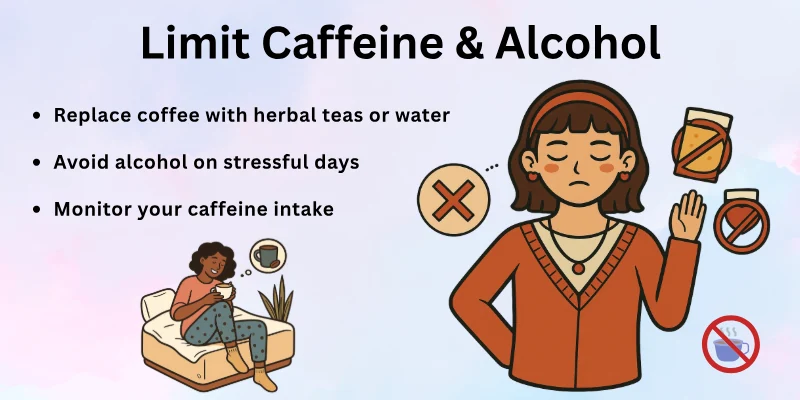
Additional Tips:
- Replace coffee with herbal teas or water if you are sensitive
- Avoid alcohol on stressful days or before sleep
- Monitor your caffeine intake throughout the day
6. Manage Stress Levels
Stress is a major trigger for migraine attacks. Practicing stress management techniques like meditation, deep breathing, yoga, or journaling helps reduce migraine frequency. Incorporate stress relief into your daily routine to prevent attacks naturally.
Additional Tips:
- Take short breaks during work to relax
- Practice mindfulness exercises daily
- Avoid overcommitting and learn to say no when necessary
7. Exercise Regularly
Regular physical activity improves blood circulation, reduces stress, and helps maintain a healthy body weight, all of which prevent migraines. Activities like walking, swimming, and yoga are gentle on the body and effective in reducing attacks. Avoid sudden, intense exercise if it tends to trigger headaches.
Additional Tips:
- Start with 20–30 minutes of moderate activity daily
- Include stretching and relaxation exercises
- Avoid skipping workouts for long periods
8. Keep a Migraine Diary
Recording your migraine patterns helps identify triggers and effective remedies. Track headache frequency, duration, intensity, foods, stress levels, and sleep. This information allows you to adjust lifestyle habits and prevent attacks more effectively.
Additional Tips:
- Use a notebook or a smartphone app
- Note even minor symptoms for patterns
- Share the diary with your doctor for better treatment guidance
9. Use Relaxation Techniques
Relaxation techniques like progressive muscle relaxation, guided meditation, or deep breathing reduce tension that triggers migraines. These methods help lower stress hormones and calm the nervous system. Regular practice can prevent migraines over time.
Additional Tips:
- Practice 10–15 minutes daily for best results
- Combine with soothing music or aromatherapy
- Use techniques during early migraine warning signs for relief
10. Consider Natural Supplements
Certain natural supplements may help prevent migraine attacks. Magnesium, riboflavin (Vitamin B2), coenzyme Q10, and feverfew have been shown to reduce migraine frequency in some people. Always consult a doctor before starting supplements. They work best when combined with healthy lifestyle habits.
Additional Tips:
- Follow recommended dosages carefully
- Track any improvement or side effects
- Use supplements as a preventive, not acute, treatment
When to See a Doctor for Migraines
Although the majority of migraines can be managed by making changes to one’s lifestyle, it is important to consult a physician if you experience any of the following symptoms:
Warning Signs:
- Headaches are severe or sudden and unlike usual migraines
- You experience vision changes, numbness, or weakness
- Migraines last longer than 72 hours or are frequent despite home care
- Medication or home remedies are not helping
- You have migraines with fever, stiff neck, or confusion
Final Note
In this guide, we have covered how to prevent migraine attacks in 10 effective ways. By adopting lifestyle changes, managing stress, staying hydrated, and identifying triggers, you can significantly reduce migraine frequency.
My personal advice is to start with sleep, hydration, and trigger identification, then gradually include other tips like exercise and supplements. Consistency is key; preventing migraines naturally is possible with patience and care.
Take these steps seriously, and your migraines can become manageable. Stay healthy and migraine-free!
FAQs: How to Prevent Migraine Attacks
Here are some of the most commonly asked questions related to the ways to get rid of migraine attacks:
The easiest way is to identify triggers, stay hydrated, and maintain a regular sleep schedule. Stress management and light exercise also help. Small daily changes can reduce migraine frequency. Consistency is key to prevention.
Yes, certain foods can trigger migraines, like chocolate, cheese, and processed meats. Eating balanced meals and avoiding trigger foods helps prevent attacks. Include magnesium-rich foods like spinach and nuts. Frequent small meals stabilize blood sugar.
Regular sleep reduces migraine frequency by keeping your body’s internal clock stable. Poor or irregular sleep often triggers attacks. Aim for 7–8 hours of quality sleep daily. Naps are fine, but avoid oversleeping.
Yes, dehydration is a common migraine trigger. Drinking enough water and herbal teas keeps the body hydrated. Proper hydration improves blood flow and reduces headache frequency. Avoid sugary and caffeinated drinks that may worsen migraines.
Stress increases hormones that can trigger migraines. Managing stress through meditation, yoga, or deep breathing reduces attack frequency. Relaxation techniques calm your nervous system naturally. Daily stress management is very important.
Yes, regular moderate exercise improves circulation and reduces stress. Walking, yoga, and swimming are gentle and effective. Avoid sudden intense workouts that can trigger headaches. Combine exercise with hydration and rest for best results.
Magnesium, riboflavin (Vitamin B2), coenzyme Q10, and feverfew may reduce migraine frequency. Always consult a doctor before starting supplements. They work best with a healthy lifestyle. Track results to see what works for you.
A migraine diary helps identify triggers, frequency, and effective remedies. Track foods, stress levels, sleep, and headache symptoms. Adjust lifestyle habits based on patterns. Sharing the diary with your doctor improves treatment guidance.
Yes, excessive caffeine and alcohol are common migraine triggers. Small amounts may help some people, but moderation is important. Reducing intake stabilizes your system and prevents attacks. Pay attention to personal sensitivity.
See a doctor if headaches are severe, sudden, or different from usual migraines. Seek help if you experience vision changes, numbness, weakness, or persistent migraines. Early consultation prevents complications and ensures proper care.






- Be Respectful
- Stay Relevant
- Stay Positive
- True Feedback
- Encourage Discussion
- Avoid Spamming
- No Fake News
- Don't Copy-Paste
- No Personal Attacks
- Be Respectful
- Stay Relevant
- Stay Positive
- True Feedback
- Encourage Discussion
- Avoid Spamming
- No Fake News
- Don't Copy-Paste
- No Personal Attacks
