Benefits and Side Effects of Kiwi: Everything You Need to Know
Published: 12 Sep 2026
Kiwi is a nutrient-rich fruit known for its sweet-tart flavor and impressive health benefits. It contains vitamins, minerals, antioxidants, and fiber that support overall health and wellness. Because of its nutritional value, many people include kiwi in their daily diet.
However, like any food, kiwi has both advantages and disadvantages. While it may support digestion, immunity, heart health, and skin health, it can also cause side effects in some individuals, especially when consumed in excess.
In this article, we’ll explore the benefits and side effects of kiwi, its nutritional value, who should eat or avoid it, and the best and worst time to eat kiwi.
Top Benefits of Kiwi
Kiwi is packed with essential vitamins, minerals, antioxidants, and fiber that contribute to overall health. Its unique nutritional profile makes it a valuable addition to a balanced diet and may support several important body functions. Regular consumption of kiwi can offer benefits that range from improved digestion to better heart health.
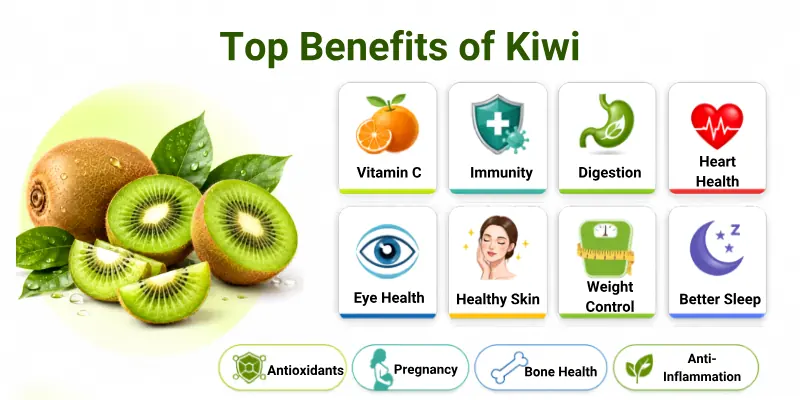
Here are some of the top benefits of kiwi:
- Rich in Vitamin C
- Supports a Healthy Immune System
- Improves Digestion
- Helps Relieve Constipation
- Promotes Heart Health
- Helps Maintain Healthy Blood Pressure
- Supports Eye Health
- Improves Skin Health
- Helps with Weight Management
- Supports Better Sleep
- Provides Powerful Antioxidants
- Supports Healthy Pregnancy
- May Help Control Blood Sugar
- Supports Bone Health
- Helps Reduce Inflammation
Let’s take a closer look at each of these benefits and understand how kiwi can support your health.
1. Rich in Vitamin C
Kiwi is widely recognized for its high vitamin C content, making it one of the most nutrient-dense fruits you can add to your diet. This essential vitamin plays an important role in many body functions and is needed for overall health. Since the body cannot produce vitamin C on its own, it must be obtained through foods.
Regularly eating kiwi can help increase your vitamin C intake naturally while providing other valuable nutrients. Including kiwi as part of a balanced diet is a simple way to support your daily nutritional needs.
You can also read about the benefits of vitamin C and how it supports overall health.
Key Benefits of Vitamin C in Kiwi
- Helps protect cells from oxidative stress
- Supports collagen production for healthy skin
- Contributes to normal wound healing
- Helps the body absorb iron more effectively
- Supports healthy bones, cartilage, and blood vessels
- Promotes overall health and well-being
2. Supports a Healthy Immune System
A strong immune system helps protect the body from harmful bacteria, viruses, and other infections. Kiwi is rich in nutrients that support immune function, especially vitamin C, which plays a key role in the production and activity of immune cells.
The fruit also contains antioxidants that help reduce oxidative stress and support the body’s natural defense mechanisms. Eating kiwi regularly may help strengthen the immune system and support overall health.
How Kiwi Supports the Immune System
- Provides a high amount of vitamin C, which supports immune cell function
- Helps the body fight oxidative stress through antioxidants
- Supports the production of white blood cells
- May help reduce the duration and severity of common illnesses
- Contains nutrients that support overall immune health
3. Improves Digestion
Kiwi contains nutrients that support healthy digestion and help the digestive system work more efficiently. One of its unique features is actinidin, a natural enzyme that helps break down proteins in food.
Kiwi is also a good source of dietary fiber, which promotes regular bowel movements and supports gut health. Including kiwi in your diet may help improve digestive comfort and support a healthy digestive tract.
How Kiwi Improves Digestion
- Contains actinidin, an enzyme that helps digest proteins
- Provides dietary fiber that supports regular bowel movements
- Helps maintain a healthy gut environment
- Supports smoother digestion of meals
- May reduce feelings of bloating and digestive discomfort
4. Helps Relieve Constipation
Constipation is a common digestive problem that can cause discomfort, bloating, and irregular bowel movements. Kiwi is often recommended as a natural remedy because it contains both soluble and insoluble fiber, which help support healthy digestion.
The fruit also contains water and natural compounds that may help soften stools and promote regular bowel movements. Eating kiwi regularly may improve bowel function and make it easier for waste to move through the digestive tract. Other foods for constipation may also help promote regular bowel movements and digestive comfort.
How Kiwi Helps Relieve Constipation
- Provides dietary fiber that adds bulk to stool
- Helps promote regular bowel movements
- Supports the growth of beneficial gut bacteria
- May help soften stools naturally
- Supports overall digestive health
5. Promotes Heart Health
Heart health is important for overall well-being, and diet plays a major role in keeping the cardiovascular system healthy. Kiwi contains fiber, potassium, and antioxidants that may help support normal heart function.
These nutrients work together to support healthy cholesterol levels, improve circulation, and reduce oxidative stress. Including kiwi as part of a balanced diet may contribute to better long-term cardiovascular health. Combining kiwi with other foods for heart health may provide additional cardiovascular benefits.
How Kiwi Promotes Heart Health
- Supports healthy cholesterol levels through dietary fiber
- Contains potassium that supports normal heart function
- Provides antioxidants that help protect blood vessels
- May help improve blood circulation
- Helps reduce oxidative stress linked to heart disease
6. Helps Maintain Healthy Blood Pressure
Maintaining healthy blood pressure is important for reducing strain on the heart and blood vessels. Kiwi is a good source of potassium, a mineral that helps balance sodium levels in the body. This balance plays an important role in supporting normal blood pressure levels.
Regular consumption of potassium-rich foods like kiwi may help support cardiovascular health when combined with a healthy lifestyle.
How Kiwi Helps Maintain Healthy Blood Pressure
- Rich in potassium, which helps balance sodium levels
- Supports normal blood vessel function
- May help reduce excess sodium’s effects on the body
- Contributes to healthy circulation
- Supports overall cardiovascular wellness
7. Supports Eye Health
Healthy eyes require a steady supply of vitamins, antioxidants, and protective plant compounds. Kiwi contains nutrients such as vitamin C, lutein, and zeaxanthin that help protect the eyes from oxidative damage.
These compounds may support long-term vision health and help protect sensitive eye tissues from the effects of aging. Adding kiwi to a balanced diet can be a simple way to support healthy eyesight and overall eye function.
How Kiwi Supports Eye Health
- Contains lutein, which helps protect the retina
- Provides zeaxanthin that supports healthy vision
- Rich in vitamin C, which helps protect eye cells
- Contains antioxidants that reduce oxidative stress
- May support long-term eye health as you age
8. Improves Skin Health
Kiwi contains several nutrients that help keep the skin healthy, smooth, and youthful. Its high vitamin C content plays an important role in collagen production, a protein that helps maintain skin structure and elasticity.
The antioxidants found in kiwi also help protect skin cells from damage caused by environmental stressors. Regular consumption of kiwi may support healthier-looking skin from within.
How Kiwi Improves Skin Health
- Supports collagen production for firmer skin
- Helps protect skin cells from free radical damage
- Contains antioxidants that support skin repair
- May help improve skin elasticity
- Contributes to a healthy, natural glow
9. Helps with Weight Management
Kiwi can be a helpful addition to a weight-management plan because it is low in calories and naturally rich in fiber. Fiber helps slow digestion and promotes feelings of fullness, which may reduce unnecessary snacking between meals.
Kiwi also provides natural sweetness, making it a healthier alternative to many processed snacks and desserts. Including kiwi in a balanced diet may help support healthy eating habits and weight goals. Pairing kiwi with other foods for weight loss can help support healthy weight management.
How Kiwi Helps with Weight Management
- Low in calories compared to many snack foods
- High in fiber, which promotes fullness
- Helps reduce hunger between meals
- Provides natural sweetness without excessive calories
- Supports healthy eating habits
10. Supports Better Sleep
Getting enough quality sleep is essential for physical and mental well-being. Kiwi contains antioxidants and natural compounds, including serotonin, that may help support healthy sleep patterns.
Some studies suggest that eating kiwi before bedtime may improve sleep quality and help people fall asleep more easily. While more research is needed, kiwi may be a beneficial bedtime snack for those looking to support restful sleep. You may also benefit from other foods for better sleep that support healthy sleep patterns.
How Kiwi Supports Better Sleep
- Contains serotonin, which is linked to sleep regulation
- Provides antioxidants that may support sleep quality
- May help you fall asleep faster
- Could improve overall sleep duration
- Supports healthier sleep patterns
11. Provides Powerful Antioxidants
Kiwi is rich in antioxidants that help protect the body from damage caused by free radicals. Free radicals are unstable molecules that can contribute to oxidative stress, which is linked to aging and various health problems.
The antioxidants found in kiwi work to neutralize these harmful compounds and support overall health. Regularly eating antioxidant-rich foods like kiwi may help protect cells and support long-term wellness. Adding more foods rich in antioxidants to your diet can further support overall health.
How Kiwi Provides Powerful Antioxidants
- Contains vitamin C, a potent antioxidant
- Provides vitamin E that helps protect cells
- Contains plant compounds that fight oxidative stress
- Helps reduce free radical damage
- Supports overall cellular health
12. Supports Healthy Pregnancy
Kiwi can be a nutritious fruit for pregnant women because it contains several important nutrients needed during pregnancy. One of the most notable nutrients is folate, which plays a key role in fetal growth and development.
Kiwi also provides vitamin C, fiber, and antioxidants that support both maternal and fetal health. Including kiwi as part of a balanced pregnancy diet may help meet increased nutritional needs.
How Kiwi Supports Healthy Pregnancy
- Contains folate, which supports fetal development
- Provides vitamin C that supports immune health
- Supplies fiber that may help reduce constipation
- Contains antioxidants that support overall health
- Contributes to daily nutrient requirements during pregnancy
13. May Help Control Blood Sugar
Despite its naturally sweet taste, kiwi has a relatively low glycemic index compared to many processed sugary foods. Its fiber content helps slow the absorption of sugar into the bloodstream, which may support more stable blood sugar levels.
When eaten in moderation as part of a balanced diet, kiwi can be a suitable fruit choice for many people who are monitoring their blood sugar intake. You can also explore other healthy fruits for diabetes that fit into a balanced eating plan.
How Kiwi May Help Control Blood Sugar
- Has a relatively low glycemic index
- Contains fiber that slows sugar absorption
- May help reduce sudden blood sugar spikes
- Provides natural sweetness with beneficial nutrients
- Can fit into a balanced blood sugar-friendly diet
14. Supports Bone Health
Strong bones require a variety of nutrients, and kiwi provides several that contribute to bone maintenance. The fruit contains vitamin K, which plays an important role in bone metabolism and calcium regulation.
Kiwi also provides minerals that support overall skeletal health. Regular consumption of nutrient-rich fruits like kiwi may help support healthy bones as part of a balanced diet.
How Kiwi Supports Bone Health
- Contains vitamin K, which supports bone strength
- Helps with proper calcium utilization
- Provides minerals that contribute to bone health
- Supports normal bone maintenance
- Contributes to overall skeletal wellness
15. Helps Reduce Inflammation
Chronic inflammation is linked to many long-term health conditions. Kiwi contains antioxidants, vitamins, and plant compounds that may help support the body’s natural response to inflammation.
These nutrients work together to help reduce oxidative stress, which is one of the factors associated with inflammation. Including kiwi in a healthy diet may contribute to overall wellness and support the body’s natural defense processes.
How Kiwi Helps Reduce Inflammation
- Contains antioxidants that help combat oxidative stress
- Provides vitamin C that supports cellular protection
- Contains beneficial plant compounds
- May help support a healthy inflammatory response
- Contributes to overall health and wellness
Side Effects of Kiwi
Kiwi is generally safe and nutritious for most people when eaten in moderation. However, consuming too much kiwi or eating it despite certain health conditions may lead to unwanted effects. Some people may experience allergic reactions, digestive issues, or other complications due to the fruit’s natural compounds and nutrient content.

Understanding the possible side effects of kiwi can help you enjoy its benefits while avoiding potential health concerns. Being aware of these risks is especially important for individuals with allergies, medical conditions, or dietary restrictions.
Here are some potential side effects of kiwi:
- Allergic Reactions
- Mouth and Throat Irritation
- Digestive Discomfort
- Diarrhea from Overeating
- Medication Interactions
- High Potassium Levels
- Latex Allergy Reactions
Let’s explore these potential side effects in more detail and learn who may need to be cautious when eating kiwi.
1. Allergic Reactions
Although kiwi is safe for most people, some individuals may experience an allergic reaction after eating it. Kiwi allergy can range from mild symptoms to more serious reactions, depending on a person’s sensitivity.
People who are allergic to kiwi may notice symptoms shortly after consuming the fruit. In severe cases, immediate medical attention may be necessary. Individuals with known fruit allergies should be especially cautious when trying kiwi for the first time.
Possible Symptoms of a Kiwi Allergy
- Itching or tingling in the mouth
- Swelling of the lips, tongue, or throat
- Skin rash or hives
- Sneezing or nasal congestion
- Stomach discomfort or nausea
- Difficulty breathing in severe cases
2. Mouth and Throat Irritation
Kiwi contains natural enzymes and acidic compounds that may irritate the mouth and throat in some people. This irritation is usually mild and temporary, but it can be uncomfortable for individuals who are sensitive to certain fruits.
Symptoms often appear shortly after eating kiwi and typically go away on their own. People with fruit sensitivities may notice these effects more frequently than others.
Possible Symptoms of Mouth and Throat Irritation
- Tingling sensation in the mouth
- Mild burning feeling on the tongue
- Itchy lips or throat
- Temporary mouth soreness
- Throat discomfort after eating kiwi
3. Digestive Discomfort
Kiwi is rich in fiber, which is beneficial for digestion, but consuming large amounts may cause digestive discomfort in some individuals. People who are not used to eating high-fiber foods may be more likely to experience these effects.
Digestive symptoms are usually mild and improve when kiwi is eaten in moderation. Paying attention to portion sizes can help reduce the risk of discomfort.
Possible Signs of Digestive Discomfort
- Bloating
- Gas
- Stomach cramps
- Abdominal discomfort
- Feeling overly full after eating
4. Diarrhea from Overeating
Eating too many kiwis in a short period may lead to diarrhea because of the fruit’s fiber and water content. While moderate amounts can support healthy digestion, excessive consumption may have the opposite effect.
This side effect is more likely when kiwi is eaten in large quantities or combined with other high-fiber foods. Limiting portion sizes can help prevent digestive upset.
Possible Effects of Overeating Kiwi
- Loose stools
- Frequent bowel movements
- Stomach discomfort
- Mild dehydration from fluid loss
- Digestive upset
5. Medication Interactions
Kiwi contains nutrients and natural compounds that may interact with certain medications in some individuals. Although this is not a concern for most people, those taking prescription medicines should be aware of possible interactions.
People using blood-thinning medications or following specific dietary restrictions may need to discuss kiwi consumption with their healthcare provider. Seeking medical advice is the safest approach if you have concerns.
People Who Should Be Cautious
- Individuals taking blood-thinning medications
- People following potassium-restricted diets
- Those with certain kidney conditions
- Individuals managing chronic medical conditions
- Anyone advised to follow a specialized diet
6. High Potassium Levels
Kiwi contains potassium, an essential mineral that supports heart, muscle, and nerve function. While potassium is beneficial for most people, consuming too much may be a concern for individuals who have kidney problems or are required to follow a low-potassium diet.
When the kidneys cannot remove excess potassium efficiently, levels may build up in the body. For this reason, people with certain medical conditions should monitor their potassium intake and consult a healthcare professional if needed.
Potential Concerns of High Potassium Levels
- May be problematic for people with kidney disease
- Can contribute to excessive potassium intake
- May require dietary restrictions in some individuals
- Can affect normal muscle function in severe cases
- May impact heart rhythm when potassium levels become too high
7. Latex Allergy Reactions
Some people who are allergic to latex may also react to kiwi because certain proteins found in the fruit are similar to those found in natural latex. This condition is known as latex-fruit syndrome.
Individuals with a latex allergy may experience mild to severe symptoms after eating kiwi. Being aware of this connection can help prevent unexpected allergic reactions.
Possible Latex Allergy-Related Symptoms
- Itching in the mouth or throat
- Swelling of the lips or tongue
- Skin rash or hives
- Sneezing or nasal symptoms
- Allergic reactions after eating kiwi
Who Should Eat Kiwi & Who Should Avoid It?
Kiwi is a nutrient-rich fruit that can be a healthy addition to many diets. Its vitamins, minerals, fiber, and antioxidants offer a variety of health benefits. However, while kiwi is suitable for most people, certain individuals may need to limit or avoid it due to allergies, medical conditions, or dietary restrictions.
1. Good For
Kiwi can be particularly beneficial for people looking to increase their intake of essential nutrients and support overall health. When consumed as part of a balanced diet, it may help meet daily nutritional needs and contribute to better well-being.
- Children: Supports healthy growth and development.
- Adults: Helps meet daily nutritional needs.
- Seniors: May support healthy aging and digestion.
- Pregnancy: Provides important nutrients for maternal health.
- Athletes: Supports energy and recovery.
- Constipation: May promote regular bowel movements.
- Immunity: Helps support immune function.
- Weight Loss: Supports fullness and healthy eating habits.
2. Bad For
Although kiwi is generally safe, it may not be suitable for everyone. People with certain allergies or health conditions should be cautious and may benefit from speaking with a healthcare professional before consuming kiwi regularly.
- Kiwi Allergy: May trigger allergic reactions.
- Latex Allergy: May cause cross-reactive allergy symptoms.
- Blood Thinners: May not be suitable with certain medications.
- Kidney Disease: Potassium intake may need monitoring.
- Low-Potassium Diets: May contribute to excess potassium intake.
- Acid Sensitivity: May irritate the mouth or throat.
Understanding who should eat kiwi and who should avoid it can help you enjoy its benefits safely and make better dietary choices.
Best and Worst Time to Eat Kiwi
The timing of when you eat kiwi can influence how you enjoy its benefits. While kiwi can be eaten at any time of the day, certain times may be more suitable depending on your health goals and digestive comfort. Understanding when to eat or avoid kiwi can help you make the most of this nutritious fruit.
1. Best Time to Eat Kiwi
Kiwi is a versatile fruit that can easily fit into different parts of your daily routine. Eating it at the right time may help support digestion, energy levels, and overall well-being.
- Morning: A refreshing way to start the day with vitamins and antioxidants.
- Before Breakfast: May help support digestion and provide nutrients early in the day.
- Healthy Snack: A nutritious option between meals to help manage hunger.
- Before Bedtime: May support better sleep quality due to its natural compounds.
- After Exercise: Helps replenish nutrients and supports post-workout recovery.
2. When to Avoid Eating Kiwi
Although kiwi is safe for most people, there are situations where it may be best to limit or avoid it. Paying attention to your body’s response can help prevent discomfort or unwanted effects.
- Allergic Reactions: Avoid kiwi if it triggers allergy symptoms.
- Medical Advice: Follow your doctor’s recommendations if you have dietary restrictions.
- Certain Medications: Consult a healthcare professional before combining kiwi with specific medications.
- Mouth Irritation: Avoid kiwi if it causes burning, itching, or discomfort in the mouth.
- Digestive Discomfort: Reduce intake if overeating kiwi leads to stomach issues.
Choosing the right time to eat kiwi and understanding when to avoid it can help you enjoy its benefits more comfortably and safely.
Nutritional Value of Kiwi
Kiwi is packed with nutrients that make it one of the healthiest fruits to include in a balanced diet. Understanding its nutritional value can help explain why kiwi is associated with so many health benefits.
| Nutrient | Amount (Per 100g) |
| Calories | 61 kcal |
| Carbohydrates | 14.7 g |
| Fiber | 3 g |
| Protein | 1.1 g |
| Fat | 0.5 g |
| Vitamin C | 92.7 mg |
| Vitamin K | 40.3 mcg |
| Vitamin E | 1.5 mg |
| Folate | 25 mcg |
| Potassium | 312 mg |
| Magnesium | 17 mg |
| Copper | 0.13 mg |
These nutrients work together to support immunity, digestion, heart health, skin health, and overall well-being. Including kiwi as part of a healthy diet can help increase your intake of several essential nutrients.
Conclusion
In this guide, we covered the benefits and side effects of kiwi, its nutritional value, who should eat or avoid it, and the best and worst time to consume it. Understanding both the advantages and potential risks can help you make informed dietary choices.
Kiwi is a nutrient-rich fruit that provides vitamins, minerals, antioxidants, and fiber that support overall health. From improving digestion and immunity to supporting heart and skin health, it offers a wide range of benefits when included in a balanced diet.
While kiwi is safe for most people, some individuals may experience allergies, digestive issues, or other side effects. Enjoying kiwi in moderation and considering your individual health needs can help you get the most from this nutritious fruit.
FAQs
If you still have questions about the benefits and side effects of kiwi, the answers below cover some of the most common concerns related to kiwi.
Yes, most people can eat kiwi daily as part of a balanced diet. Regular consumption may help support digestion, immunity, and overall health. Eating kiwi in moderation is the best way to enjoy its health benefits.
The main health benefits of kiwi include:
- Supports overall health and wellness
- Supports healthy digestion
- Helps strengthen the immune system
- Promotes heart health
- Provides antioxidant protection
- Rich in vitamin C
- Good source of dietary fiber
Yes, kiwi is often recommended for constipation because it contains dietary fiber and natural digestive enzymes. These nutrients help support regular bowel movements and gut health. Eating kiwi regularly may help improve digestive comfort.
Kiwi can be a helpful fruit for weight loss because it is low in calories and high in fiber. Fiber helps increase feelings of fullness and may reduce unnecessary snacking. It can be a nutritious addition to a healthy weight-management plan.
The best time to eat kiwi depends on your health goals. Popular options include:
- Morning: Helps start the day with vitamins and antioxidants.
- Before Breakfast: May support healthy digestion.
- As a Snack: Helps satisfy hunger between meals.
- Before Bedtime: May support better sleep quality.
- After Exercise: Helps replenish nutrients after a workout.
Yes, people with diabetes can usually eat kiwi in moderation. Kiwi has a relatively low glycemic index and contains fiber that may help slow sugar absorption. However, portion control is still important as part of a diabetes-friendly diet.
Yes, kiwi is generally safe for pregnant women and provides important nutrients such as folate, vitamin C, and fiber. Folate supports healthy fetal development, while fiber may help reduce constipation during pregnancy. Pregnant women should consume kiwi as part of a balanced and varied diet.
The most common side effects of kiwi include:
- Allergic Reactions: May cause itching, swelling, or other allergy symptoms.
- Mouth Irritation: Can cause tingling or discomfort in sensitive individuals.
- Digestive Discomfort: May lead to bloating, gas, or stomach upset.
- Diarrhea: Overeating kiwi may result in loose stools.
- Medication Interactions: May not be suitable with certain medications without medical advice.
- High Potassium Intake: May be a concern for people with kidney disease or potassium restrictions.
Yes, kiwi contains vitamin C and antioxidants that help support healthy skin. Vitamin C plays an important role in collagen production, which helps maintain skin elasticity. Regular consumption may contribute to healthier-looking skin.
People with kiwi allergies, latex allergies, certain kidney conditions, or specific dietary restrictions may need to avoid kiwi. Some individuals may also experience irritation from its natural acids. If you have a medical condition, it is best to consult a healthcare professional before making dietary changes.
For most healthy adults, eating one to three kiwis per day is generally considered safe. This amount can provide beneficial nutrients without excessive calorie or fiber intake. Individual needs may vary based on age, health, and diet.
Kiwi and oranges are both excellent sources of vitamin C, but kiwi often provides more vitamin C per serving. It also contains fiber, antioxidants, and other beneficial nutrients. Both fruits can be part of a healthy and balanced diet.






- Be Respectful
- Stay Relevant
- Stay Positive
- True Feedback
- Encourage Discussion
- Avoid Spamming
- No Fake News
- Don't Copy-Paste
- No Personal Attacks
- Be Respectful
- Stay Relevant
- Stay Positive
- True Feedback
- Encourage Discussion
- Avoid Spamming
- No Fake News
- Don't Copy-Paste
- No Personal Attacks
