Benefits and Side Effects of Cucumber: Health Benefits, Risks & Nutrition Guide
Published: 28 Sep 2026
Cucumber is a popular vegetable that is enjoyed in many parts of the world. It has a mild taste, a crisp texture, and a high water content, making it a common addition to salads, sandwiches, and other meals. Many people also enjoy cucumber as a light and refreshing snack.
Because cucumber is widely consumed, many people wonder whether it is truly beneficial for health and whether it has any drawbacks. While it is often considered a healthy food, its effects can vary depending on a person’s health condition, eating habits, and the amount consumed.
Understanding the benefits and side effects of cucumber can help you decide how to include it safely in your daily diet. In this article, we will discuss its nutritional value, potential health benefits, possible risks, the best time to eat it, and who should eat or avoid it.
Benefits of Cucumber
Cucumber is a nutritious and refreshing vegetable that can be a valuable addition to a healthy diet. It contains water, fiber, vitamins, minerals, and plant compounds that support various functions in the body.
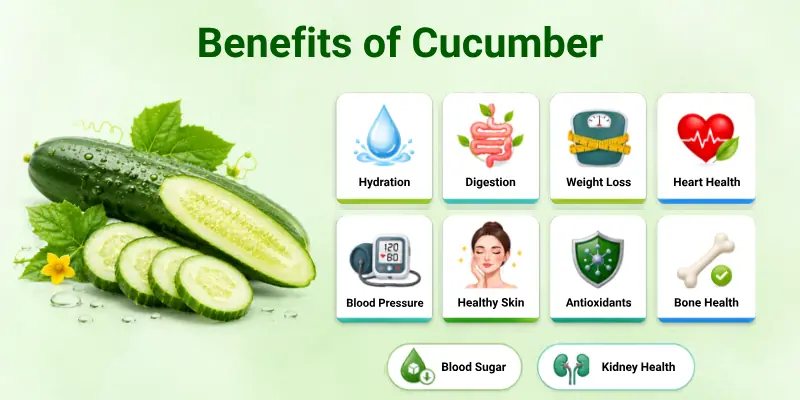
Regular consumption of cucumber may contribute to overall well-being when combined with a balanced lifestyle. Below are some of the most notable health benefits of cucumber.
Here are the main benefits of cucumber:
- Keeps the Body Hydrated
- Supports Digestion
- Aids Weight Loss
- Supports Heart Health
- Maintains Healthy Blood Pressure
- Supports Skin Health
- Provides Antioxidant Protection
- Supports Bone Health
- Helps Regulate Blood Sugar
- Supports Kidney Health
Let’s explore these advantages of cucumber in more detail.
1. Keeps the Body Hydrated
Cucumber is made up of about 95% water, making it one of the most hydrating vegetables. Eating water-rich foods can help the body maintain proper fluid levels throughout the day, especially during hot weather or after physical activity.
Staying hydrated is important for many bodily functions, including temperature regulation, nutrient transport, and digestion. Adding cucumber to your meals or snacks can be a simple way to increase your daily fluid intake and support overall health.
Key Nutrients
- High water content for daily hydration
- Natural electrolytes that support fluid balance
- Low-calorie way to increase water intake
- Refreshing choice during hot weather
- Supports normal body hydration functions
2. Supports Healthy Digestion
Cucumber contains water and dietary fiber, two important nutrients that support healthy digestion. These nutrients help food move more smoothly through the digestive system and may reduce occasional digestive discomfort.
Regular consumption of cucumber can help maintain bowel regularity and support overall gut health. Its high water content also helps keep stools soft, which may lower the risk of constipation when combined with adequate fluid intake.
Key Nutrients
- Dietary fiber for improved bowel regularity
- High water content that supports digestion
- Fiber that helps move waste through the intestines
- Hydrating properties that help soften stools
- Gentle texture that is easy to digest
3. Supports Weight Loss
Cucumber is naturally low in calories and high in water, making it a popular choice for people trying to manage their weight. It can add volume to meals and snacks without significantly increasing calorie intake.
Because cucumber is filling and refreshing, it may help reduce hunger between meals. Replacing high-calorie snacks with cucumber can support healthier eating habits and make it easier to maintain a calorie-controlled diet.
Key Nutrients
- Low calorie content for weight management
- High water content that promotes fullness
- Dietary fiber that helps control appetite
- Nutrient-rich option for healthy snacking
- Suitable addition to calorie-conscious diets
4. Supports Heart Health
Cucumber can be a heart-friendly addition to a balanced diet because it contains important nutrients while remaining low in calories and fat. Regular consumption of vegetables like cucumber may help support overall cardiovascular wellness.
A healthy heart depends on proper nutrition, hydration, and lifestyle habits. Including cucumber in your diet can contribute to a nutrient-rich eating pattern that supports normal heart function and long-term health.
Key Nutrients
- Potassium for normal heart function
- Antioxidants that help protect cells
- High water content for healthy circulation
- Low sodium content for heart-friendly nutrition
- Low-calorie profile for weight management
5. Maintains Healthy Blood Pressure
Cucumber contains potassium, a mineral that plays an important role in maintaining healthy blood pressure levels. Potassium helps balance the effects of sodium in the body and supports proper fluid regulation.
Its high water content may also contribute to hydration, which is important for normal blood flow and circulation. When included in a balanced diet, cucumber can support overall cardiovascular health.
Key Nutrients
- Potassium for sodium balance
- High water content for hydration support
- Natural minerals that support circulation
- Low sodium content for healthier blood pressure
- Nutrient-rich profile for cardiovascular wellness
6. Supports Skin Health
Cucumber is widely known for its skin-supporting properties due to its high water content and beneficial nutrients. Proper hydration is important for maintaining soft, healthy-looking skin and supporting its natural functions.
The vitamins and antioxidants found in cucumber may help protect skin cells from everyday environmental stress. Regular consumption as part of a healthy diet can contribute to overall skin wellness.
Key Nutrients
- Vitamin C for skin support
- Antioxidants that help protect skin cells
- High water content for skin hydration
- Plant compounds that support skin health
- Nutrients that contribute to a healthy appearance
7. Provides Antioxidant Protection
Cucumber contains antioxidants that help protect the body’s cells from damage caused by free radicals. Free radicals are unstable molecules that can build up in the body and contribute to oxidative stress over time.
Adding antioxidant-rich foods such as cucumber to your diet may support overall health and help the body maintain normal cellular function. These protective compounds work alongside other nutrients to promote long-term wellness.
Key Nutrients
- Vitamin C with antioxidant properties
- Flavonoids that help protect cells
- Tannins that support cellular health
- Plant compounds that reduce oxidative stress
- Antioxidants that support overall wellness
8. Supports Bone Health
Cucumber contains vitamin K, an important nutrient involved in bone formation and maintenance. Getting enough vitamin K may help support bone strength and contribute to overall skeletal health.
Although cucumber is not the richest source of bone-supporting nutrients, it can still be a valuable addition to a balanced diet. Regular consumption alongside other nutrient-rich foods may help support healthy bones over time.
Key Nutrients
- Vitamin K for bone maintenance
- Magnesium that supports bone function
- Small amounts of calcium for bone health
- Minerals involved in bone metabolism
- Nutrients that support skeletal strength
9. Helps Regulate Blood Sugar
Cucumber is low in calories and carbohydrates, making it a suitable food choice for people who want to manage their blood sugar levels. Its fiber content may also support a slower absorption of sugar in the digestive system.
Including cucumber as part of a balanced diet may help support healthy blood sugar management. However, it should be consumed alongside other healthy foods and medical advice when necessary.
Key Nutrients
- Low carbohydrate content
- Dietary fiber that supports glucose control
- Low glycemic impact on blood sugar
- High water content for overall health
- Nutrient-rich and low-calorie profile
10. Supports Kidney Health
Cucumber has a high water content that may help support normal kidney function by promoting adequate hydration. Proper hydration is important for helping the kidneys filter waste and maintain fluid balance in the body.
Including water-rich foods such as cucumber in your diet can contribute to overall urinary and kidney health. It can be a refreshing way to support daily fluid intake as part of a healthy lifestyle.
Key Nutrients
- High water content for hydration support
- Natural minerals that support fluid balance
- Low calorie content for healthy eating
- Potassium that supports normal body functions
- Hydrating properties that support kidney function
Side Effects of Cucumber
Cucumber is a nutritious vegetable that offers several health benefits, but it may not be suitable for everyone. In some cases, eating too much cucumber or consuming it with certain health conditions may lead to unwanted effects.
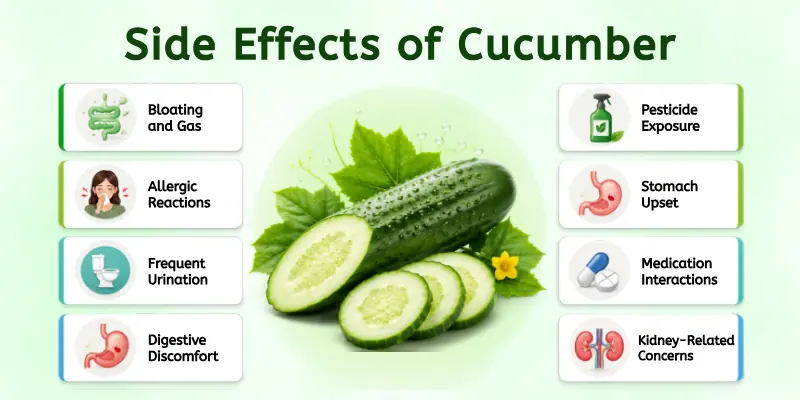
Most side effects are mild and uncommon, but it is still important to be aware of them. Understanding these potential concerns can help you consume cucumber safely and make informed dietary choices.
Here are the common side effects of cucumber:
- Bloating and Gas
- Allergic Reactions
- Frequent Urination
- Digestive Discomfort
- Pesticide Exposure
- Stomach Upset
- Medication Interactions
- Kidney-Related Concerns
Let’s take a closer look at these potential disadvantages of cucumber.
1. Bloating and Gas
Although cucumber is generally easy to digest, some people may experience bloating or gas after eating it. This is more likely to happen when cucumber is consumed in large amounts or by individuals with sensitive digestive systems.
Certain compounds and the fiber content in cucumber may contribute to digestive discomfort in some cases. While these effects are usually mild, they can cause temporary abdominal fullness and gas in sensitive individuals.
Side Effects
- Feeling of fullness in the stomach
- Increased gas production after eating
- Mild abdominal bloating
- Temporary digestive discomfort
- Heaviness after large portions of cucumber
- Greater discomfort in sensitive individuals
2. Allergic Reactions
Although uncommon, some people may be allergic to cucumber. Allergic reactions can occur when the immune system mistakenly identifies certain proteins in cucumber as harmful and responds to them.
Symptoms can range from mild irritation to more noticeable reactions. Individuals with allergies to related fruits, vegetables, or pollen may have a higher risk of experiencing cucumber-related allergies.
Side Effects
- Itching in the mouth or throat
- Skin rashes after consumption
- Swelling of the lips or tongue
- Redness or irritation of the skin
- Mild allergic discomfort
- Increased sensitivity in allergy-prone individuals
3. Frequent Urination
Cucumber contains a large amount of water, which may increase urine production when consumed in significant quantities. This effect is generally harmless and is often linked to the body’s natural process of removing excess fluids.
People who eat large amounts of cucumber or already consume a high-fluid diet may notice more frequent trips to the bathroom. While this can support hydration, it may be inconvenient for some individuals.
Side Effects
- More frequent urination during the day
- Increased fluid loss through urine
- Possible nighttime bathroom visits
- Temporary inconvenience in daily activities
- Greater effect when consumed in large amounts
4. Digestive Discomfort
Eating cucumber in moderation is usually well tolerated, but consuming excessive amounts may lead to digestive discomfort in some people. The combination of water and fiber can sometimes be difficult for sensitive digestive systems to handle.
Symptoms are generally mild and temporary, especially when cucumber intake is reduced. People with existing digestive issues may be more likely to experience these effects.
Side Effects
- Mild stomach discomfort after overeating
- Feeling of heaviness in the abdomen
- Temporary digestive upset
- Increased sensitivity in people with digestive issues
- Discomfort from excessive fiber intake
- Occasional abdominal uneasiness after large portions
5. Pesticide Exposure
Like many fruits and vegetables, cucumbers may contain pesticide residues on their outer skin. If they are not washed thoroughly before consumption, these residues can remain on the surface and be ingested.
Proper washing can help reduce the amount of dirt, bacteria, and pesticide residue. Choosing organic cucumbers or peeling the skin may further lower exposure for some individuals.
Side Effects
- Exposure to pesticide residues
- Consumption of surface contaminants
- Increased intake of unwanted chemicals
- Potential irritation in sensitive individuals
- Higher risk when cucumbers are not washed properly
6. Stomach Upset
Some people may experience stomach upset after eating cucumber, especially if they have a sensitive digestive system. Eating large portions or consuming cucumber on an empty stomach may increase the likelihood of discomfort.
These effects are usually mild and temporary. Reducing portion sizes or eating cucumber with other foods may help minimize digestive issues.
Side Effects
- Mild stomach pain or discomfort
- Temporary nausea in sensitive individuals
- Abdominal uneasiness after eating
- Digestive sensitivity to large portions
- Occasional stomach irritation
7. Medication Interactions
Cucumber contains vitamin K and other nutrients that may be relevant for people taking certain medications. Individuals using blood-thinning medications should maintain a consistent intake of vitamin K-rich foods and follow medical advice.
While cucumber is generally safe, people with ongoing medical conditions or prescribed medications should consult a healthcare professional if they have concerns about dietary interactions.
Side Effects
- May affect vitamin K intake consistency
- Possible concerns with blood-thinning medications
- Dietary adjustments may be required
- Greater caution for people on long-term treatment
- Individual responses may vary
8. Kidney-Related Concerns
Cucumber contains potassium and a large amount of water, which are generally beneficial for healthy individuals. However, some people with advanced kidney disease may need to monitor their intake of potassium and fluids based on medical advice.
This does not mean cucumber is harmful to everyone with kidney problems. The effect depends on the individual’s condition, treatment plan, and dietary restrictions recommended by their healthcare provider.
Side Effects
- May require portion control in some kidney conditions
- Potassium intake may need monitoring
- Fluid intake restrictions may apply
- Individual tolerance can vary
- Medical guidance may be necessary for advanced kidney disease
Who Should Eat Cucumber & Who Should Avoid It?
Cucumber is a nutritious and refreshing vegetable that can fit into many healthy eating plans. Its high water content, low-calorie profile, and valuable nutrients make it a beneficial choice for a wide range of people.
However, cucumber may not be suitable for everyone. Certain individuals may need to limit their intake or consume it with caution based on their health conditions and personal sensitivities.
1. Good For
Cucumber can be a healthy addition to the diet of people looking for hydration, nutrition, and low-calorie food options. When consumed as part of a balanced diet, it may support overall health and wellness.
- Weight Management: People trying to lose or maintain a healthy weight.
- Hydration: Individuals looking to increase their daily fluid intake.
- Digestion: People aiming to support digestive health naturally.
- Skin Health: Individuals interested in maintaining healthy-looking skin.
- Heart Health: Those following a heart-friendly eating pattern.
- Healthy Snacking: People seeking low-calorie snack options.
- Nutrition: Individuals looking to add more vegetables to their diet.
2. Bad For
While cucumber is generally safe for most people, some individuals may experience unwanted effects or require special dietary considerations. These people should monitor their intake and seek medical advice if necessary.
- Allergies: People with a known cucumber allergy.
- Bloating: Individuals prone to gas or abdominal bloating.
- Sensitive Stomach: People who experience digestive discomfort after eating cucumber.
- Medication Use: Individuals taking blood-thinning medications.
- Potassium Restrictions: People advised to monitor potassium intake.
- Medical Conditions: Individuals following specific dietary restrictions.
- Food Sensitivities: Anyone who experiences adverse reactions after consumption.
Most people can enjoy cucumber as part of a healthy diet. However, those with specific allergies, sensitivities, or medical conditions should consume it with caution.
Best and Worst Time to Eat Cucumber
The best time to eat cucumber depends on your dietary goals and personal tolerance. Because it is hydrating, low in calories, and nutrient-rich, cucumber can be enjoyed at different times of the day.
Choosing the right time to eat cucumber can help you enjoy its benefits while reducing the chance of discomfort. Knowing when to eat or avoid it can help you get the most benefits.
1. Best Time to Eat Cucumber
Cucumber can be eaten throughout the day as part of a healthy diet. It works well as a snack, in salads, or alongside meals due to its refreshing and hydrating nature.
- Morning: For hydration after waking up
- Snack Time: Between meals as a healthy snack
- Before Meals: To support fullness and portion control
- Hot Weather: For additional hydration during warm days
- Post-Workout: To help replace lost fluids
- Mealtime: As part of lunch or dinner salads
When to Avoid Eating Cucumber
Although cucumber is safe for most people, some situations may make it less suitable. Individuals with digestive sensitivities may benefit from limiting cucumber intake at certain times.
- Allergies: If you have a known cucumber allergy
- Bloating: When it causes gas or abdominal discomfort
- Sensitive Stomach: If it triggers digestive issues
- Bedtime: If frequent urination is a concern
- Overconsumption: When eaten in excessive amounts
- Medical Advice: If a healthcare provider recommends limiting it
Nutrition Facts Per 100 Grams
Cucumber is low in calories yet provides several important vitamins, minerals, and water. Its nutrient profile makes it a refreshing and healthy addition to a balanced diet.
Here are the nutrition facts for cucumber per 100 grams.
| Nutrient | Amount Per 100 g |
|---|---|
| Calories | 15 kcal |
| Water | 95.2 g |
| Carbohydrates | 3.6 g |
| Protein | 0.7 g |
| Fat | 0.1 g |
| Fiber | 0.5 g |
| Sugar | 1.7 g |
| Potassium | 147 mg |
| Calcium | 16 mg |
| Magnesium | 13 mg |
| Phosphorus | 24 mg |
| Vitamin C | 2.8 mg |
| Vitamin K | 16.4 mcg |
| Folate | 7 mcg |
Despite being low in calories, cucumber provides hydration along with several essential nutrients. Including it in a balanced diet can help support overall health while adding freshness and nutrition to meals.
Conclusion
In this guide, we covered the benefits and side effects of cucumber, including its nutritional value, best and worst time to eat it, and who should eat or avoid it. We also explored how cucumber may support hydration, digestion, weight management, heart health, skin health, and overall wellness.
Cucumber is a low-calorie, nutrient-rich vegetable that can be a healthy addition to most diets. Its high water content and essential nutrients make it a refreshing choice for everyday meals and snacks.
Like any food, cucumber may not be suitable for everyone. Consuming it in moderation and considering individual health needs can help you enjoy its benefits while minimizing potential side effects.
FAQs About Benefits and Side Effects of Cucumber
Here are the answers to some common questions about benefits and side effects of cucumber:
Here are the key benefits:
- Hydration: High water content helps maintain fluid balance.
- Digestion: Fiber supports healthy digestion and bowel regularity.
- Weight Management: Low-calorie options make them suitable for healthy diets.
- Skin Health: Antioxidants and hydration support healthy skin.
- Heart Health: Potassium supports normal heart function.
Here are the possible side effects:
- Bloating: May cause gas or a feeling of fullness in some people.
- Allergies: Can trigger allergic reactions in sensitive individuals.
- Digestion: May cause digestive discomfort when eaten in excess.
- Urination: High water content may increase urination.
- Sensitivity: Some people may experience stomach upset.
Yes, eating cucumber every day is generally safe for most people. Regular consumption may help support hydration, digestion, and weight management. However, it should be included as part of a balanced and varied diet.
Cucumber is a popular choice for weight loss diets because it is low in calories and high in water. It can help add volume to meals while keeping calorie intake low. Including cucumber in healthy meals may support weight management goals.
The best time to eat cucumber depends on your personal preference and health goals. It can be enjoyed at different times of the day to support hydration and healthy eating habits.
- Morning: Helps start the day with hydration.
- Snack Time: Provides a refreshing low-calorie snack.
- Before Meals: May help you feel fuller before eating.
- Hot Weather: Supports fluid intake during warm days.
- After Exercise: Helps replenish fluids after physical activity.
- Meals: Adds freshness and nutrients to lunch or dinner.
Yes, cucumber may help improve digestion because it contains water and dietary fiber. These nutrients support regular bowel movements and help maintain digestive health. Eating cucumber with a balanced diet may reduce occasional constipation.
Cucumber contains water, vitamin C, and antioxidants that may support healthy skin. Its hydrating properties help maintain overall skin wellness from within. Including cucumber in your diet can contribute to a nutrient-rich eating pattern for skin health.
Cucumber contains potassium, which plays an important role in maintaining healthy blood pressure levels. Potassium helps balance sodium levels and supports normal fluid regulation in the body. Eating cucumber as part of a healthy diet may support heart health.
Here are the people who should avoid or limit cucumber:
- Allergies: People with a known cucumber allergy.
- Sensitive Stomach: Individuals who experience digestive discomfort.
- Bloating: Those prone to gas after eating cucumber.
- Medications: People taking certain medicines that require dietary monitoring.
- Restrictions: Individuals following specific diet plans advised by a healthcare professional.
Eating too much cucumber may cause digestive discomfort, bloating, or increased urination in some people. These effects are usually mild and occur due to excessive consumption. Eating cucumber in moderate amounts is the best way to enjoy its benefits safely.






- Be Respectful
- Stay Relevant
- Stay Positive
- True Feedback
- Encourage Discussion
- Avoid Spamming
- No Fake News
- Don't Copy-Paste
- No Personal Attacks
- Be Respectful
- Stay Relevant
- Stay Positive
- True Feedback
- Encourage Discussion
- Avoid Spamming
- No Fake News
- Don't Copy-Paste
- No Personal Attacks
