Home Remedies for Cold Hands: Effective Ways to Warm Your Hands
Published: 27 Sep 2026
Have you ever noticed your hands feeling cold even when you are indoors or the weather is not extremely cold? Cold hands are a common issue that can happen due to low temperatures, reduced blood flow, stress, or other factors.
In many cases, simple home remedies can help warm your hands and improve comfort. Small changes like using warming methods, staying active, and protecting your hands can make a difference.
In this guide, you will learn about effective home remedies for cold hands, common causes, prevention tips, and when cold hands may need medical attention.
Effective Home Remedies for Cold Hands
Cold hands can feel uncomfortable and may happen when your hands lose warmth due to cold temperatures or reduced blood flow. Simple home remedies can help improve hand warmth, support circulation, and provide relief from discomfort.
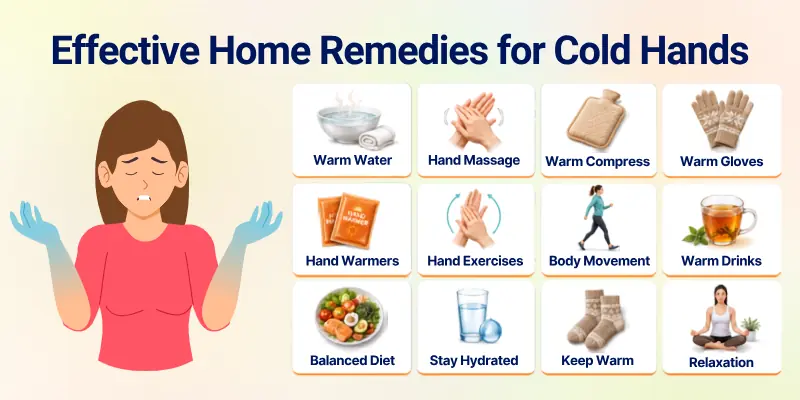
From warming techniques to lifestyle changes, several natural methods can help keep your hands comfortable and prevent them from getting cold frequently.
Here are some effective remedies for cold hands that you can try at home:
- Soak Your Hands in Warm Water
- Massage Your Hands With Oil
- Apply a Warm Compress
- Wear Warm Gloves
- Use Hand Warmers
- Exercise Your Hands and Fingers
- Move Your Body Regularly
- Warm Drinks That May Help
- Eat a Balanced Diet
- Stay Hydrated
- Keep Your Whole Body Warm
- Wear Warm Socks and Proper Footwear
- Practice Deep Breathing and Relaxation
- Moisturize Dry Hands
Let’s explore each remedy in detail to understand how it can help warm cold hands naturally.
1. Soak Your Hands in Warm Water
Soaking your hands in warm water is one of the simplest ways to help cold hands feel warmer and more comfortable. The warmth can help relax blood vessels near the skin and provide a soothing effect when your fingers feel chilly.
This remedy is easy to try at home and works well after exposure to cold temperatures. Using the right water temperature is important because very hot water may irritate or dry out your skin.
How to Soak Your Hands in Warm Water:
- Fill a bowl with comfortably warm water
- Soak your hands for a few minutes
- Move your fingers gently while soaking
- Dry your hands properly after soaking
- Apply moisturizer if your skin feels dry
2. Massage Your Hands With Oil
Massaging your hands with oil is a simple home remedy that can help cold hands feel warmer and more comfortable. The gentle movement may support blood flow, while the oil helps keep your skin soft and protected from dryness.
This remedy is easy to follow and can be done whenever your hands feel cold or uncomfortable. Regular massage may also help relax stiff fingers during colder weather.
How to Massage Your Hands With Oil:
- Choose coconut oil, olive oil, or another moisturizing oil
- Warm a small amount of oil in your hands
- Massage palms, fingers, and wrists gently
- Use circular motions for a few minutes
- Remove excess oil if needed
3. Apply a Warm Compress
A warm compress is a simple way to provide gentle heat to cold hands and improve comfort. The warmth can help relax the muscles, improve comfort, and make fingers feel less stiff after exposure to cold temperatures.
This remedy is easy to use at home and can provide quick relief when your hands feel chilly. Always use a safe level of heat to protect your skin from irritation or burns.
How to Use a Warm Compress:
- Use a warm towel, heating pad, or cloth
- Apply gentle heat to your hands for a few minutes
- Keep the temperature comfortable for your skin
- Remove the compress if you feel discomfort
4. Wear Warm Gloves
Wearing warm gloves is an easy way to protect your hands from cold temperatures and prevent heat loss. Gloves create a protective layer that helps keep your fingers warm, especially during winter or outdoor activities.
This simple habit can help prevent your hands from becoming cold in the first place. Choosing the right type of gloves can provide warmth while keeping your hands comfortable.
How to Use Warm Gloves:
- Wear gloves before going outside in cold weather
- Choose insulated gloves for better warmth
- Keep your hands covered during cold activities
- Select gloves that fit comfortably and allow movement
5. Use Hand Warmers
Hand warmers are small heat sources that provide extra warmth when your hands feel cold. They can be helpful during cold weather, outdoor activities, or situations where you need quick heat for your hands.
These portable warmers are easy to carry and can help maintain comfort when regular warming methods are not available. Use them properly to avoid skin irritation or discomfort.
How to Use Hand Warmers:
- Place hand warmers inside gloves or pockets
- Follow the instructions for safe use
- Avoid direct contact with bare skin for a long time
6. Exercise Your Hands and Fingers
Simple hand exercises can help keep your fingers active and comfortable when they feel cold. Moving your hands regularly may support blood flow and help reduce stiffness caused by low temperatures.
These exercises are easy to do anywhere and do not require any special equipment. Regular movement can help your hands stay flexible and warm.
Hand Exercises for Cold Hands:
- Make fists and release your fingers
- Stretch your fingers gently
- Rotate your wrists slowly
- Move your hands regularly throughout the day
7. Move Your Body Regularly
Regular movement can help support overall circulation and keep your body warm. When you stay still for a long time, your hands may feel colder due to reduced activity and body movement.
Adding simple physical activities to your routine can help maintain warmth and improve overall comfort during colder conditions.
Ways to Stay Active:
- Take short movement breaks during the day
- Walk or do light exercises regularly
- Avoid sitting in one position for long periods
8. Warm Drinks That May Help
Drinking warm beverages can help you feel warmer and more comfortable, especially during cold weather. Warm fluids can provide a soothing effect and help maintain overall body warmth from the inside.
Choosing healthy warm drinks can be a simple addition to your daily routine when your hands feel cold or your body feels chilly.
Warm Beverage Options:
- Warm water
- Herbal tea
- Healthy soups
- Warm milk
- Ginger tea
9. Eat a Balanced Diet
A balanced diet provides essential nutrients that support overall health and normal body functions. Eating a variety of nutrient-rich foods can help maintain healthy circulation and support your body’s ability to stay warm.
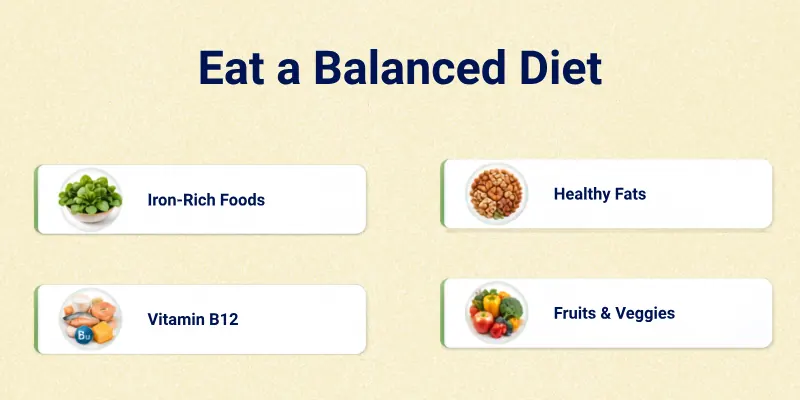
Including foods with important vitamins, minerals, and healthy fats can be a helpful part of a healthy lifestyle when dealing with cold hands.
Foods to Include in Your Diet:
- Iron-rich foods like leafy greens and beans
- Foods with vitamin B12 and other essential nutrients
- Healthy fats from nuts, seeds, and fish
- A variety of fruits and vegetables
10. Stay Hydrated
Staying hydrated is important for maintaining normal body functions, including healthy blood flow. When your body does not get enough water, it may affect overall comfort and make you feel colder.
Drinking enough water throughout the day supports your overall health and helps your body work properly, especially during cold weather.
How to Stay Hydrated:
- Drink enough water throughout the day
- Include healthy fluids like herbal tea and soups
- Increase fluid intake during physical activity
- Avoid dehydration in cold weather
11. Keep Your Whole Body Warm
Keeping your whole body warm can help prevent heat loss and maintain overall comfort in cold weather. When your body stays warm, your hands are less likely to feel cold due to exposure to low temperatures.
Simple habits like wearing suitable clothing and protecting your body from cold air can help you stay comfortable throughout the day.
Ways to Keep Your Body Warm:
- Wear layers of warm clothing
- Keep your head, feet, and core covered
- Avoid staying in cold environments for long periods
- Use blankets or warm clothing when needed
12. Wear Warm Socks and Proper Footwear
Keeping your feet warm can help maintain overall body comfort during cold weather. Warm socks and suitable footwear help protect your feet from cold temperatures and reduce heat loss.
Choosing the right footwear can make a difference when spending time outdoors or in chilly environments.
How to Keep Your Feet Warm:
- Wear warm and comfortable socks
- Choose insulated footwear for cold weather
- Keep feet dry to prevent feeling colder
- Avoid wearing damp shoes or socks
13. Practice Deep Breathing and Relaxation
Stress and tension can affect how your body responds to different situations, including how your blood vessels work. Relaxation techniques can help your body stay calm and may support overall comfort when your hands feel cold.
Adding simple relaxation practices to your routine can be helpful for managing daily stress and promoting better well-being.
Relaxation Techniques to Try:
- Practice slow deep breathing
- Try meditation or mindfulness exercises
- Take short breaks to relax your body
- Focus on calming activities
14. Moisturize Dry Hands
Cold weather can make your skin dry, rough, and uncomfortable. Applying moisturizer helps protect your hands from dryness and keeps the skin soft during colder conditions.
Keeping your hands moisturized can also improve comfort when using other warming remedies like warm water soaks or hand massage.
How to Moisturize Your Hands:
- Apply a moisturizing cream or lotion regularly
- Use moisturizer after washing your hands
- Choose products that suit your skin type
- Protect hands from dry and cold air
Common Causes of Cold Hands
Cold hands are common and can happen due to cold weather, reduced blood flow, or other factors. While occasional cold hands are usually not a concern, frequent coldness may point to an underlying issue.
Understanding the causes of cold hands can help you identify possible triggers and manage the problem better.
Here are some common reasons for cold hands:
- Cold Weather Exposure: Low temperatures can reduce blood flow to the hands and make them feel cold
- Poor Blood Circulation: Limited blood flow may prevent enough warmth from reaching your fingers
- Stress and Anxiety: Stress can affect blood vessels and cause colder hands
- Health Conditions: Certain health problems may be linked with frequent cold hands
When Should You See a Doctor?
Cold hands are often temporary and can improve with simple warming methods. However, if your hands feel cold frequently or you notice unusual changes, it may be a sign of an underlying problem that needs medical attention.
Pay attention to symptoms that continue, worsen, or affect your daily routine.
You should consult a doctor if:
- Frequent Cold Hands: Cold hands occur often without exposure to cold temperatures
- Color Changes: Fingers turn white, blue, or purple
- Numbness or Pain: You experience numbness, tingling, or discomfort in your hands
- Daily Life Impact: Cold hands interfere with normal activities
- Other Symptoms: Cold hands appear with additional health concerns
Conclusion
In this guide, we covered the home remedies for cold hands, including simple ways to warm your hands, improve comfort, and prevent coldness. We also discussed the common causes of cold hands and the signs that may require medical attention.
Using simple habits like keeping your hands warm, staying active, maintaining a balanced diet, and protecting your skin can help you manage cold hands naturally. If cold hands happen frequently or come with unusual symptoms, consult a healthcare professional for proper guidance.
FAQs About Home Remedies for Cold Hands
Here are answers to some frequently asked questions about home remedies for cold hands to help you understand the best ways to manage this issue.
The fastest ways to warm cold hands include simple warming methods that provide quick comfort. These techniques can help restore warmth without causing skin irritation.
- Soaking hands in warm water
- Wearing warm gloves
- Using hand warmers
- Moving fingers gently
- Avoiding direct high heat
You can support hand circulation through regular movement, gentle massage, and staying active. A balanced diet and proper hydration also support overall blood flow. Keeping your body warm can help prevent cold hands.
Yes, soaking your hands in warm water can help them feel warmer and more comfortable. It provides gentle heat and relaxes your hands after cold exposure. Use warm water instead of very hot water.
Gentle hand massage may help improve comfort and warmth in your hands. Massaging your fingers, palms, and wrists can encourage movement. Using oil can also prevent dry skin.
Certain nutrient-rich foods can support healthy circulation and overall body function. Including a variety of these foods in your diet may help maintain proper blood flow.
- Iron-rich foods like leafy greens and beans
- Foods with vitamin B12
- Healthy fats from nuts, seeds, and fish
- Fruits and vegetables for essential nutrients
Cold hands indoors may happen due to low temperature, reduced movement, stress, or circulation issues. Some people may experience cold hands even in comfortable environments. Frequent symptoms may need medical advice.
Yes, stress can affect blood vessels and make your hands feel colder. Relaxation techniques and deep breathing may help manage stress. Reducing daily stress can support overall comfort.
Wear warm gloves, keep your body covered, and avoid long exposure to cold air. Staying active and using warming methods can also help. Protecting your hands before they get cold is important.
Occasional cold hands are usually normal, especially in cold weather. Frequent cold hands with pain, numbness, or color changes may indicate an underlying issue. A doctor can help identify the cause.
See a doctor if your cold hands happen often without cold exposure. Medical advice is also recommended if you notice numbness, pain, tingling, or finger color changes. Persistent symptoms should not be ignored.





- Be Respectful
- Stay Relevant
- Stay Positive
- True Feedback
- Encourage Discussion
- Avoid Spamming
- No Fake News
- Don't Copy-Paste
- No Personal Attacks
- Be Respectful
- Stay Relevant
- Stay Positive
- True Feedback
- Encourage Discussion
- Avoid Spamming
- No Fake News
- Don't Copy-Paste
- No Personal Attacks
