How Social Media Affects Mental Health: Stay Aware
Published: 29 Mar 2026
Social media is part of daily life for millions of people. It connects friends, shares information, and entertains. But social media also affects mental health in many ways.
This guide explains how social media impacts your mood, stress, anxiety, and emotional well-being. You will learn what to watch for, how it influences your mind, and ways to protect your mental health while using it.
How Social Media Affects Mental Health
In this part you will learn the main ways social media can influence your thoughts, feelings, and emotions. Social media can have both positive and negative effects depending on how you use it.
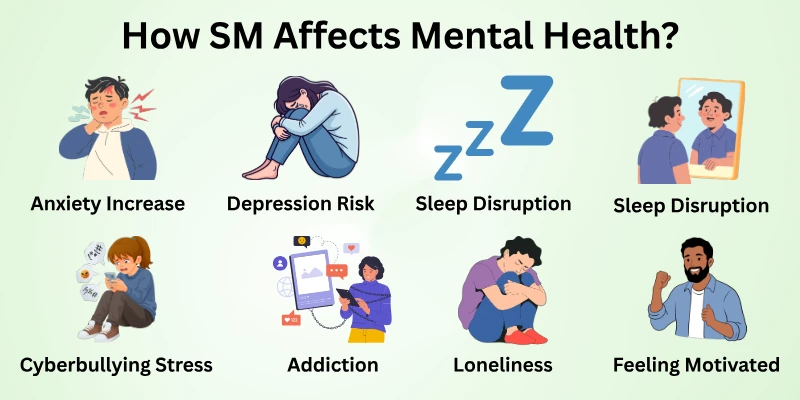
List of All Effects
- Anxiety Increase
- Depression Risk
- Sleep Disruption
- Fear of Missing Out (FOMO)
- Lower Self-esteem
- Social Comparison
- Cyberbullying Stress
- Addiction or Overuse
- Isolation or Loneliness
- Boost in Social Support
- Access to Mental Health Resources
- Feeling Motivated or Inspired
- Positive Community Engagement
- Improved Communication Skills
- Learning New Skills or Knowledge
Let us cover all effects in detail.
1. Anxiety Increase
Frequent social media use can raise anxiety. Constant notifications and updates make your mind feel busy and tense. Comparing your life with others increases worry. Overthinking posts or messages adds stress. Your brain feels alert even when you want to relax.
How it happens:
- Checking notifications constantly
- Worrying about reactions or comments
- Overanalyzing others’ posts
- Feeling pressure to respond quickly
- Experiencing fear of missing events
2. Depression Risk
Social media can contribute to depression. Seeing only happy posts from others makes you feel your life is less exciting. Comparing achievements or appearances can lower your mood. Excessive scrolling wastes time and increases sadness. Poor sleep from late night use also worsens feelings of depression.
How it happens:
- Social comparison lowers self-worth
- Seeing negative news often
- Late-night scrolling reduces sleep
- Feeling left out or excluded
- Replaying negative thoughts
3. Sleep Disruption
Using social media late at night disturbs sleep. The blue light from screens delays your natural sleep rhythm. Your mind stays alert when it should rest. Poor sleep affects mood, energy, and memory. Social media habits can create a cycle of sleep loss and stress.
How it happens:
- Late-night scrolling
- Exposure to bright screens
- Mental stimulation before bed
- Notifications waking you up
- Poor sleep reduces mental health
4. Fear of Missing Out (FOMO)
Social media creates FOMO when you see events or activities online. Your brain feels left out or anxious. FOMO increases stress and lowers satisfaction with your life. It can lead to excessive checking or overuse. Feeling constantly behind reduces emotional balance.
How it happens:
- Seeing friends’ activities online
- Comparing social lives
- Feeling excluded from events
- Overchecking updates
- Anxiety about being left out
5. Lower Self-Esteem
Frequent comparison reduces self-esteem. You may feel less attractive or successful than others. Likes and comments can control how you feel about yourself. Over time, negative feelings grow stronger. Self-confidence becomes weaker.
How it happens:
- Comparing appearances or achievements
- Feeling ignored if posts get few likes
- Watching perfect photos of others
- Believing online popularity equals self-worth
- Negative thoughts increase
6. Social Comparison
Social media encourages comparing your life with others’. People usually post only positive moments. Your mind notices the difference and feels inadequate. This comparison affects mood and motivation. It can also lead to stress and jealousy.
How it happens:
- Seeing others’ highlights
- Measuring yourself against friends
- Feeling inferior or jealous
- Overthinking personal goals
- Ignoring your own achievements
7. Cyberbullying Stress
Negative comments, harassment, or online attacks increase stress. Cyberbullying can happen to anyone and affects self-confidence. It raises anxiety and fear. Victims often feel lonely or isolated. Social media can amplify these negative effects quickly.
How it happens:
- Hurtful messages or comments
- Online rumors or attacks
- Feeling unsafe online
- Social rejection or teasing
- Emotional trauma from negative interactions
8. Addiction or Overuse
Social media can be addictive. Constant scrolling becomes a habit. Your brain seeks instant rewards from likes, comments, and shares. Overuse reduces real-life interaction and increases stress. Addiction can harm productivity and mental health.
How it happens:
- Checking apps repeatedly
- Feeling anxious without updates
- Spending hours online daily
- Ignoring real-life tasks
- Feeling empty without social media
9. Isolation or Loneliness
Paradoxically, social media can make you feel alone. Online connections may replace real-life relationships. You may feel disconnected despite constant virtual interaction. This affects emotional well-being. Loneliness increases anxiety and depression risk.
How it happens:
- Choosing online over real interaction
- Feeling misunderstood online
- Spending more time scrolling than talking
- Missing in-person bonding
- Emotional detachment from social circles
10. Boost in Social Support
Social media can help you feel supported. Communities, friends, and groups provide encouragement. You can share your experiences safely. Supportive comments and interactions improve mood. This can balance the negative effects of social media.
How it helps:
- Connects with like-minded people
- Provides emotional support
- Shares helpful advice
- Reduces stress feelings
- Encourages positivity
11. Access to Mental Health Resources
You can learn about mental health through online articles, videos, or groups. Knowledge improves coping skills. You discover tips to reduce stress, anxiety, or depression. Using these resources builds mental awareness. Social media can teach healthy habits when used wisely.
How it helps:
- Provides information about mental health
- Offers self-help tips
- Connects with experts online
- Increases awareness
- Encourages positive behavior
12. Feeling Motivated or Inspired
Social media can motivate you to try new habits. Fitness, learning, and personal growth content inspire positive action. Seeing others achieve goals boosts your confidence. Motivation improves your mental health. It encourages consistent self-improvement.
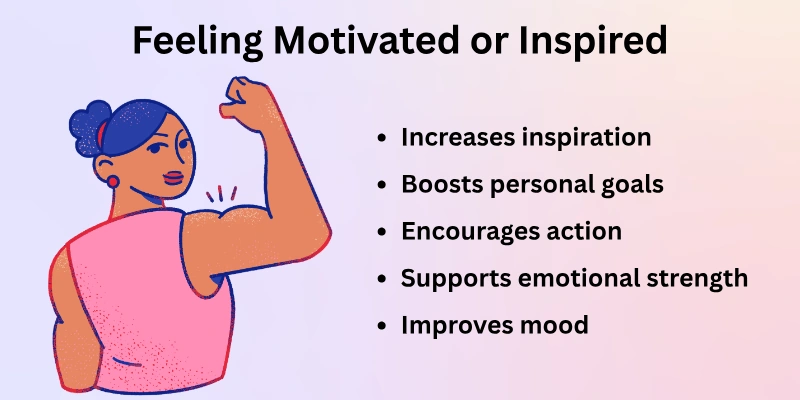
How it helps:
- Increases inspiration
- Boosts personal goals
- Encourages action
- Supports emotional strength
- Improves mood
13. Positive Community Engagement
Groups and communities can create a sense of belonging. Sharing experiences helps you feel included. Participation strengthens social connection. You learn new perspectives and feel valued. Healthy engagement improves overall wellbeing.
How it helps:
- Builds social bonds
- Reduces loneliness
- Encourages sharing
- Supports emotional health
- Increases belonging
14. Improved Communication Skills
Using social media carefully can improve online communication. Writing and sharing thoughts builds clarity. Connecting with different people increases understanding. These skills help real-life relationships too. Good communication reduces emotional frustration.
How it helps:
- Improves clarity in expression
- Builds online relationships
- Enhances empathy
- Reduces misunderstandings
- Strengthens social confidence
15. Learning New Skills or Knowledge
Social media exposes you to new ideas and skills. Learning keeps your brain active and engaged. You feel productive and motivated. Gaining knowledge improves confidence and mood. Positive learning offsets negative effects of social media.
How it helps:
- Increases knowledge
- Improves focus
- Builds confidence
- Encourages personal growth
- Supports mental wellbeing
Final Note
In this guide, we have covered how social media affects mental health in both negative and positive ways. Social media can increase anxiety, depression, sleep issues, and stress if used carelessly.
But it can also provide support, motivation, and knowledge when used wisely. Protect your mental health by balancing screen time, limiting negative content, and seeking support when needed. Your mind stays healthy when you use social media consciously and positively.
FAQs: How Social Media Affects Mental Health
Here are some of the most commonly asked questions related to social media and mental health:
Yes, constant updates and notifications increase anxiety. Comparing yourself with others makes worry stronger. Taking breaks reduces stress naturally.
Yes, using screens late at night delays sleep. Blue light and mental stimulation keep your brain awake. Poor sleep then affects mood and energy.
Seeing perfect posts of others makes you feel less successful or attractive. Likes and comments can control your confidence. Awareness helps reduce this impact.
Yes, supportive communities, motivational content, and learning resources improve mood and knowledge. Using it mindfully strengthens your mind. Positive use balances negative effects.
FOMO is the fear of missing out on events or news. It increases stress and constant checking of social media. Awareness and self-control reduce FOMO impact.
Yes, negative messages and attacks harm emotional stability. Victims feel anxious, sad, or isolated. Seeking help reduces these effects.
Set limits on screen time, follow positive content, and take regular breaks. Focus on supportive communities. Avoid comparing yourself to others.
Yes, online connection can replace real-life interaction. Spending too much time online can increase isolation. Balancing offline relationships improves wellbeing.
Yes, groups and friends online provide encouragement. Sharing experiences reduces stress. Positive communities improve mood.
Notice if you feel anxious, sad, or stressed after use. If sleep suffers or comparison increases, it is a warning sign. Adjust habits or take breaks to protect your mental health.



- Be Respectful
- Stay Relevant
- Stay Positive
- True Feedback
- Encourage Discussion
- Avoid Spamming
- No Fake News
- Don't Copy-Paste
- No Personal Attacks
- Be Respectful
- Stay Relevant
- Stay Positive
- True Feedback
- Encourage Discussion
- Avoid Spamming
- No Fake News
- Don't Copy-Paste
- No Personal Attacks
