Home Remedies for Itchy Eyes: Natural Ways to Get Relief
Published: 30 Sep 2026
Have you ever wondered why your eyes feel itchy even when you have not touched them or been around anything unusual? That constant urge to rub your eyes can be frustrating, especially when you do not know what is causing it.
Itchy eyes can happen for several reasons, including allergies, dryness, dust, or irritation from everyday products. While the cause may not always be obvious, simple steps at home can often help soothe discomfort.
In this guide, we will explore effective home remedies for itchy eyes and ways to keep your eyes feeling comfortable.
Home Remedies for Itchy Eyes
Itchy eyes can feel irritating and distracting, but simple care steps may help reduce discomfort. The right remedy depends on what is causing the itching, such as dryness, allergies, or exposure to irritants.
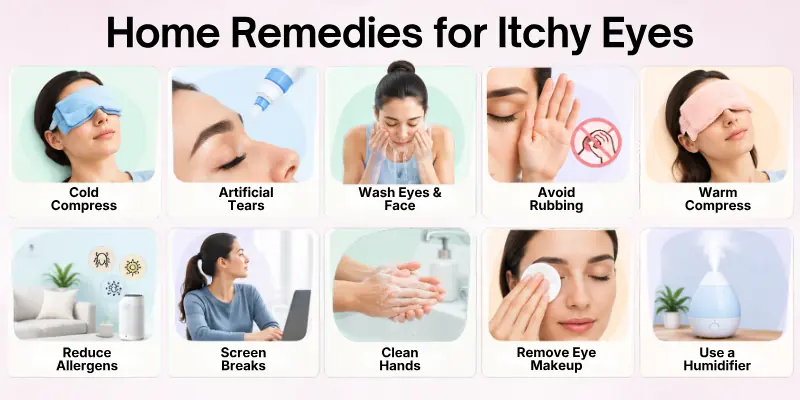
These easy methods can help soothe your eyes and support better comfort at home. Here are some simple remedies that may help relieve itchy eyes:
- Apply a Cold Compress
- Use Artificial Tears for Dry Eyes
- Wash Your Eyes and Face Regularly
- Avoid Rubbing Your Eyes
- Use a Warm Compress for Eyelid Irritation
- Reduce Exposure to Allergens
- Take Breaks From Screens
- Keep Your Hands Clean
- Remove Eye Makeup Before Sleeping
- Use a Humidifier in Dry Environments
Let’s look at how these remedies work and how you can use them for better relief.
1. Apply a Cold Compress
A cold compress is one of the simplest ways to relieve itchy eyes. The cool temperature can help calm irritation, reduce redness, and provide temporary relief, especially if allergies or mild irritation are causing the itching.
It may also help reduce puffiness around the eyes, making them feel more comfortable. Many people find that a cold compress provides quick relief after spending time outdoors or being exposed to dust and pollen.
How to use it:
- Soak a clean, soft cloth in cold water and squeeze out the extra water.
- Close your eyes and place the cloth over your eyelids for 10 to 15 minutes.
- Repeat a few times a day if the itching continues.
Tip: Never place ice directly on your eyes. Always wrap anything cold in a clean, soft cloth before applying it.
2. Use Artificial Tears for Dry Eyes
Dry eyes are one of the most common causes of itchy eyes. When your eyes do not produce enough tears, they can feel dry, itchy, and uncomfortable. Artificial tears add moisture to the surface of your eyes and may provide temporary relief.
They can also help wash away small particles that may trigger irritation and keep your eyes feeling more comfortable throughout the day.
How to use them:
- Wash your hands before using the eye drops.
- Place the recommended number of drops into each eye.
- Blink a few times gently so the drops spread evenly.
- Use the drops as directed on the product label or by your eye doctor.
Tip: If you need eye drops several times a day, preservative-free artificial tears are often a better choice.
3. Wash Your Eyes and Face Regularly
Dust, pollen, smoke, and other tiny particles can build up around your eyes and make itching worse. Washing your face and gently rinsing your eyes with clean water can help remove these irritants and leave your eyes feeling fresher.
This simple habit may be especially helpful after spending time outdoors or in dusty places. It can also stop irritants from staying on your skin and around your eyelids for long periods.
How to do it:
- Wash your hands with soap and water before touching your face.
- Rinse your face with cool, clean water.
- Gently splash clean water over your closed eyes.
- Avoid using harsh soaps or cleansers near your eyes.
- Pat your face dry with a clean, soft towel instead of rubbing it.
Tip: Use a fresh, clean towel each time to avoid transferring dirt or bacteria back to your eyes.
4. Avoid Rubbing Your Eyes
Rubbing your eyes may bring temporary relief, but it often makes itching worse. It can irritate the delicate surface of your eyes, increase redness, and even cause mild swelling.
If your hands are not clean, rubbing can also transfer dirt, allergens, or germs to your eyes. Avoiding this habit gives your eyes a better chance to recover.
What to do instead:
- Keep your hands away from your eyes when they start to itch.
- Blink a few times slowly to help spread your natural tears.
- Use artificial tears or a cold compress if the itching becomes uncomfortable.
Tip: If your eyes keep itching for several days or the discomfort gets worse, it is best to find the underlying cause instead of rubbing them.
5. Use a Warm Compress for Eyelid Irritation
If your itchy eyes are caused by irritated eyelids, a warm compress may help soothe the area and improve comfort. The gentle warmth can loosen crusts around the eyelids and support good eyelid hygiene.
It may also help open blocked oil glands, which can improve the natural tear layer and reduce irritation. Using a clean warm compress for a few minutes each day may help keep your eyelids clean and comfortable.
How to use it:
- Soak a clean, soft cloth in warm water and squeeze out the extra water.
- Place the warm cloth over your closed eyelids for 5 to 10 minutes.
- Rewet the cloth with warm water if it starts to cool.
- Gently wipe along the eyelid edges after removing the compress if advised by your eye doctor.
Tip: The cloth should feel warm, not hot, to protect the delicate skin around your eyes.
6. Reduce Exposure to Allergens
Allergens such as pollen, dust, pet dander, and mold are common triggers for itchy eyes. Limiting your exposure to these irritants may help reduce itching and prevent your symptoms from getting worse.
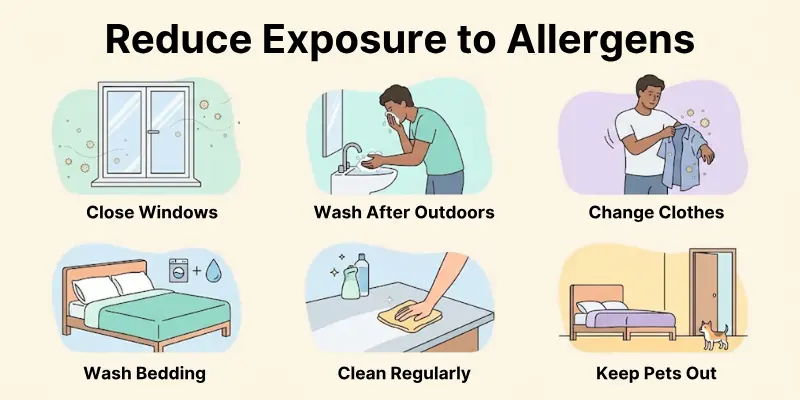
Even small changes in your daily routine can make a noticeable difference. If your symptoms appear during certain seasons, allergies may be the reason behind your itchy eyes.
How to do it:
- Keep windows closed when pollen levels are high.
- Wash your hands and face after spending time outdoors.
- Change your clothes if they have been exposed to pollen or dust.
- Wash your bedding regularly in hot water.
- Vacuum and dust your home often to reduce indoor allergens.
- Keep pets out of your bedroom if pet dander triggers your symptoms.
Tip: Try to avoid the allergens that trigger your symptoms whenever possible to help prevent itchy eyes from returning.
7. Take Breaks From Screens
Looking at a phone, computer, or tablet for long periods can make your eyes feel dry and itchy. People often blink less while using screens, which reduces the natural moisture that keeps the eyes comfortable.
Taking regular breaks gives your eyes time to rest and helps reduce strain. This simple habit can make a big difference if you spend several hours on digital devices each day.
How to do it:
- Follow the 20-20-20 rule by looking at something 20 feet away for 20 seconds every 20 minutes.
- Blink more often while using digital devices to keep your eyes moist.
- Adjust your screen brightness so it feels comfortable for your eyes.
- Take a longer break every hour by stepping away from your screen for a few minutes.
Tip: If your eyes often feel tired, dry, or itchy after screen time, simple home remedies for eye strain may also help improve your comfort.
8. Keep Your Hands Clean
Your hands come into contact with many surfaces throughout the day and can carry dirt, germs, and allergens. Touching your eyes with unwashed hands may make itching worse and increase the risk of irritation or infection.
Keeping your hands clean is a simple habit that helps protect your eyes. It can also prevent irritants from spreading to the delicate skin around your eyes.
How to do it:
- Wash your hands with soap and water for at least 20 seconds.
- Clean your hands before touching your eyes or applying eye drops.
- Avoid rubbing your eyes if your hands are not clean.
- Use hand sanitizer when soap and water are not available.
Tip: Make handwashing a regular habit, especially after being outdoors or touching shared surfaces.
9. Remove Eye Makeup Before Sleeping
Leaving eye makeup on overnight can trap dirt, oil, and other particles around your eyes. This may irritate the delicate skin around your eyelids and increase the risk of itchy eyes.
Removing your makeup before bed helps keep your eyelids clean and supports better eye health. It also lowers the chance of makeup getting into your eyes while you sleep.
How to do it:
- Use a gentle makeup remover that is safe for the eye area.
- Wipe away eye makeup carefully without rubbing your eyes.
- Wash your face after removing your makeup to clear away any residue.
- Use a clean towel to gently dry your face.
Tip: Replace old eye makeup regularly and avoid sharing makeup products with others to help reduce the risk of irritation or infection.
10. Use a Humidifier in Dry Environments
Dry indoor air can reduce the moisture on the surface of your eyes, making them feel itchy and uncomfortable. This is common during winter or in rooms with air conditioning or heating.
Using a humidifier adds moisture to the air, which may help keep your eyes from drying out. It can also make your home more comfortable if dry air often triggers your symptoms.
How to do it:
- Place a humidifier in the room where you spend the most time.
- Keep the humidity at a comfortable level by following the manufacturer’s instructions.
- Clean the humidifier regularly to prevent mold and bacteria from growing.
- Refill it with clean water as recommended.
Tip: If you do not have a humidifier, avoid sitting too close to fans, heaters, or air conditioners that can dry out your eyes.
Home Remedies for Itchy Eyes Due to Allergies
Eye allergies are one of the most common reasons for itchy eyes. Pollen, dust, pet dander, and mold can trigger an allergic reaction that leads to itching, redness, and watery eyes. Along with avoiding allergy triggers, these simple home remedies may help reduce discomfort.
Here are some home remedies that may help relieve itchy eyes caused by allergies:
- Cold Compress: Place a clean, cold cloth over your closed eyes for 10 to 15 minutes. The cool temperature may help calm itching and reduce mild swelling.
- Avoid Allergens: Stay away from pollen, dust, pet dander, or other triggers whenever possible. Keeping windows closed during high pollen days may also help.
- Keep Your Home Clean: Dust and vacuum your home regularly, wash your bedding often, and use clean pillowcases to reduce allergens indoors.
- Wash Your Face: Rinse your face, eyelids, and hands with clean water after coming inside to remove pollen and other allergens that may have settled on your skin.
- Allergy Eye Drops: If home remedies are not enough, allergy eye drops recommended by your doctor or pharmacist may help relieve itching caused by allergies.
Things to Avoid When You Have Itchy Eyes
Some everyday habits can make itchy eyes worse or slow down recovery. Avoiding these mistakes may help protect your eyes and reduce further irritation.
Try to avoid the following:
- Rubbing Your Eyes: This can increase irritation, redness, and the risk of infection.
- Sharing Personal Items: Germs can spread easily through shared towels or eye products.
- Expired Eye Drops: Expired products may not work properly and could irritate your eyes.
- Home Ingredients: Do not put lemon juice, honey, or other unverified ingredients directly into your eyes unless advised by a healthcare professional.
- Contact Lenses: Avoid wearing contact lenses until your eyes feel comfortable again.
When Should You See a Doctor?
Many cases of itchy eyes improve with simple home care. However, some symptoms may be a sign of an infection, injury, or another eye condition that needs medical attention. Do not ignore the following warning signs.
Seek medical advice if your itchy eyes:
- Last for several days without getting better.
- Cause severe eye pain.
- Affect your vision or make it blurry.
- Produce thick yellow or green discharge.
- Come with severe swelling around the eyes.
- Start after an eye injury or a chemical gets into your eye.
Conclusion
In this guide, we covered the most effective home remedies for itchy eyes, allergy care tips, habits to avoid, and the warning signs that mean you should see a doctor. While mild itching often improves with simple home care, the right remedy depends on what is causing your symptoms.
If your itchy eyes do not get better, keep coming back, or become more severe, do not ignore them. Getting medical advice can help identify the underlying cause and ensure you receive the right treatment to protect your eye health.
Frequently Asked Questions
If you still have questions about home remedies for itchy eyes, the answers below may help clear up common concerns.
1. What is the fastest way to relieve itchy eyes?
A cold compress may provide quick relief from itching. If dry eyes are causing the problem, artificial tears may also help. Avoid rubbing your eyes because it can make the irritation worse.
2. Can a cold compress help itchy eyes?
Yes. A cold compress may help reduce itching, redness, and mild swelling. Apply it over your closed eyes for 10 to 15 minutes using a clean, cool cloth.
3. Why are my eyes itchy but not red?
Itchy eyes without redness are often caused by dry eyes, mild allergies, or eye strain. Dust and other irritants may also trigger this symptom. If the itching does not improve or keeps coming back, have your eyes checked.
4. How do I stop itchy eyes from allergies?
These simple steps may help:
- Avoid pollen, dust, pet dander, and other allergy triggers.
- Wash your face after spending time outdoors.
- Use a cold compress to calm itching.
- Keep your home clean to reduce allergens.
- Ask your doctor if allergy eye drops are right for you.
5. Is rubbing itchy eyes harmful?
Yes. Rubbing can increase irritation and redness. It may also transfer dirt and germs from your hands to your eyes.
6. Can dry eyes cause itching?
Yes. Dry eyes are one of the most common causes of itchy eyes. Artificial tears may help keep your eyes moist and improve comfort.
7. Are home remedies safe for itchy eyes?
Most simple home remedies are safe for mild itchy eyes. Always use clean materials when caring for your eyes. Stop using a remedy if it makes your symptoms worse.
8. How long do itchy eyes usually last?
The duration depends on the cause. Mild irritation may improve within a few hours or days. Allergy-related itching may continue until you avoid the trigger or receive treatment.
9. Should I use eye drops for itchy eyes?
It depends on the cause of your symptoms. Artificial tears are helpful for dry eyes, while allergy eye drops may work better for allergies. Use eye drops as directed or follow your doctor’s advice.
10. When should itchy eyes be checked by a doctor?
See a doctor if you notice any of the following:
- Itching that lasts for several days.
- Severe eye pain.
- Blurred or reduced vision.
- Thick yellow or green discharge.
- Significant swelling around the eyes.
- An eye injury before the itching started.





- Be Respectful
- Stay Relevant
- Stay Positive
- True Feedback
- Encourage Discussion
- Avoid Spamming
- No Fake News
- Don't Copy-Paste
- No Personal Attacks
- Be Respectful
- Stay Relevant
- Stay Positive
- True Feedback
- Encourage Discussion
- Avoid Spamming
- No Fake News
- Don't Copy-Paste
- No Personal Attacks
