How to Stay Positive During Hard Times: Stay Strong
Published: 27 Mar 2026
Staying positive during hard times feels difficult, but it becomes easier when you follow the right habits. Your mind needs gentle support, steady routines, and simple steps that build strength every day.
This guide teaches you how to stay positive during hard times, even when life feels heavy. You will learn practical ways that help your mood, energy, and mindset stay strong.
How to Stay Positive During Hard Times
Hard times challenge your emotions and your thinking, but there are many simple ways that help you stay positive. These ideas give your mind structure and help you handle stress with more balance.
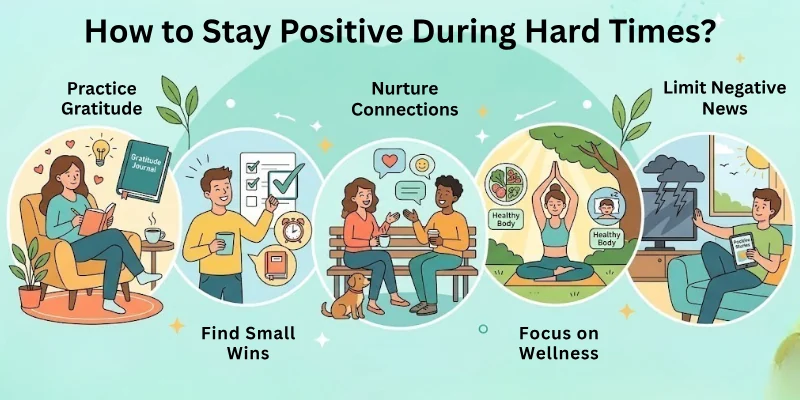
Here are the ways to stay positive during difficult moments:
- Practice Gratitude
- Focus on What you Can Control
- Surround Yourself with Supportive People
- Take Small Breaks
- Follow a Routine
- Limit Negative Content
- Spend Time in Nature
- Talk to Someone you Trust
- Keep a Journal
- Use Positive Self Talk
- Do Relaxing Activities
- Move your Body
- Rest When you Need
- Set Small Goals
- Celebrate Small Wins
- Reduce Overthinking
- Take Care of Your Diet
- Practice Deep Breathing
- Watch Uplifting Content
- Help Someone
Let us cover all the ways in detail.
1. Practice Gratitude
Gratitude helps your mind focus on what is still good during difficult moments. It reduces stress by shifting attention away from fear and worry. When you list small good things, your brain calms down. Gratitude builds hope and improves emotional strength. You start seeing that even in hard times, something positive still exists.
How it helps:
- It shifts your focus toward good things.
- It reduces emotional pressure.
- It keeps your thoughts steady.
- It improves your daily mood.
- It builds a hopeful mindset.
2. Focus on What You Can Control
Life feels overwhelming when you try to manage things that are outside your control. Focusing on what you can change helps your mind feel safer and stronger. It reduces mental noise and keeps you grounded. You gain a clear direction instead of feeling stuck. You start solving problems step by step instead of feeling lost.
How it helps:
- It reduces stress from uncertainty.
- It gives you clear action steps.
- It keeps your mind calm.
- It builds confidence.
- It helps you feel in charge again.
3. Surround Yourself With Supportive People
Supportive people make hard times less heavy. They give you comfort, guidance, and strength. Talking to someone you trust helps you release pressure. You feel understood instead of alone. Positive people lift your mood and help you think clearly.
How it helps:
- It reduces emotional burden.
- It gives you comfort.
- It builds emotional safety.
- It gives you new ideas and hope.
- It keeps you motivated.
4. Take Small Breaks
Breaks give your mind time to rest and reset. Your thoughts slow down and become clearer. A short pause improves your emotional balance. Your stress level drops and you feel more in control. Breaks help you continue with more energy.
How it helps:
- It stops mental overload.
- It improves thinking.
- It supports emotional control.
- It refreshes your mind.
- It builds mental strength.
5. Follow a Routine
A routine gives your mind structure during chaos. It provides stability and reduces confusion. When life feels uncertain, routines make you feel safe. They help you manage stress in a balanced way. A steady routine keeps your focus and energy stable.
How it helps:
- It gives stability.
- It improves time control.
- It reduces stress.
- It helps you stay disciplined.
- It supports emotional balance.
6. Limit Negative Content
Negative news and social media content increase fear and worry. Reducing this intake helps your mind stay calm. Your thoughts become lighter and more positive. Your stress level drops when you take control of what you watch. You gain more space for healthy thinking.
How it helps:
- It reduces tension.
- It improves mental clarity.
- It keeps your mood stable.
- It protects your emotional energy.
- It creates a positive environment.
7. Spend Time in Nature
Nature gives your mind peace and calmness. Fresh air helps your thoughts slow down. Colors and sounds of nature relax your senses. You feel grounded instead of overwhelmed. Nature improves your mood and energy naturally.
How it helps:
- It reduces stress quickly.
- It clears your mind.
- It supports emotional healing.
- It improves your mood.
- It refreshes your energy.
8. Talk to Someone You Trust
Talking helps you release pressure and think better. A trusted person gives support and guidance. You gain clarity when you express your feelings. Sharing helps you feel lighter. You stop feeling alone in your struggle.
How it helps:
- It reduces emotional stress.
- It improves mental clarity.
- It builds connection.
- It supports healing.
- It increases hope.
9. Keep a Journal
Journaling lets you express your thoughts safely. It helps you process your feelings. You understand your emotions better when you write them down. You release mental pressure and gain clarity. Journaling becomes a tool for emotional growth.
How it helps:
- It clears your mind.
- It reduces stress.
- It helps identify patterns.
- It supports reflection.
- It improves emotional control.
10. Use Positive Self Talk
Positive self talk strengthens your mindset during hard times. Your words shape your emotions. When you speak kindly to yourself, you reduce fear. You build courage and confidence. You remind yourself that you can move forward.
How it helps:
- It boosts confidence.
- It reduces negative thinking.
- It improves hope.
- It builds mental strength.
- It supports healing.
11. Do Relaxing Activities
Relaxing activities calm your mind and body. They distract you from stress in a healthy way. These activities create moments of peace. Your brain relaxes and resets. You feel lighter and more balanced.
How it helps:
- It reduces tension.
- It calms your thoughts.
- It improves mood.
- It builds emotional rest.
- It increases comfort.
12. Move Your Body
Movement releases stress and boosts your mood. Your muscles relax when you stay active. Exercise helps your brain release positive chemicals. You feel more energetic and focused. Physical activity supports emotional stability.
How it helps:
- It reduces stress.
- It improves energy.
- It supports mental clarity.
- It boosts mood.
- It balances emotions.
13. Rest When You Need
Rest gives your body and mind time to recover. Hard times drain your energy quickly. Listening to your body helps you stay mentally strong. Resting stops burnout. You feel refreshed and more capable.
How it helps:
- It restores energy.
- It improves mood.
- It prevents burnout.
- It calms your mind.
- It supports healing.
14. Set Small Goals
Small goals give you direction during tough moments. They help you feel productive and focused. Achieving small steps brings confidence. You stop feeling overwhelmed. You start moving forward with more clarity.
How it helps:
- It boosts motivation.
- It brings progress.
- It reduces stress.
- It increases confidence.
- It gives clear structure.
15. Celebrate Small Wins
Small wins help your mind stay positive. They show that progress is still possible. Celebrating them boosts your mood. You stay motivated during hard times. You feel proud of your effort.
How it helps:
- It builds confidence.
- It keeps you motivated.
- It boosts mood.
- It encourages new goals.
- It creates positive energy.
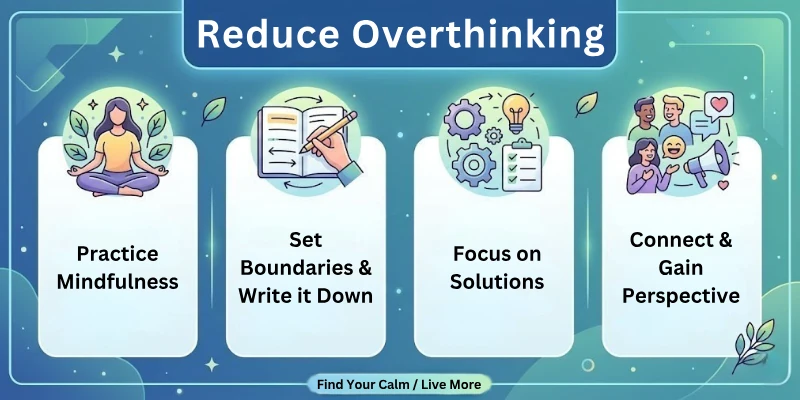
16. Reduce Overthinking
Overthinking makes stress worse. Calming your thoughts brings clarity. Your mind feels lighter when you slow down your thinking. You gain better control of your emotions. Reducing overthinking protects your mental health.
How it helps:
- It decreases stress.
- It clears your mind.
- It increases calmness.
- It improves decision making.
- It supports emotional balance.
17. Take Care of Your Diet
Food affects your energy and mood. Healthy meals support emotional balance. Eating well helps you stay strong during hard times. Your body and mind work better with good nutrition. A steady diet keeps your energy stable.
How it helps:
- It boosts mood.
- It stabilizes energy.
- It reduces stress.
- It supports brain function.
- It improves overall wellness.
18. Practice Deep Breathing
Deep breathing calms your nervous system. It slows down stress signals in your body. Your mind becomes quiet and clear. You feel more in control. This practice supports emotional strength.
How it helps:
- It reduces anxiety.
- It slows stress.
- It calms your body.
- It improves focus.
- It stabilizes your emotions.
19. Watch Uplifting Content
Positive content lifts your mood. It gives your mind something hopeful to focus on. You feel lighter and more refreshed. It takes your thoughts away from worry. It helps your heart feel stronger.
How it helps:
- It improves mood.
- It reduces emotional pressure.
- It increases hope.
- It adds positive energy.
- It relaxes the mind.
20. Help Someone
Helping others brings a sense of purpose. It takes your focus away from your own stress. You feel useful and appreciated. Kindness strengthens your emotional health. It builds positive feelings inside you.
How it helps:
- It builds inner strength.
- It increases happiness.
- It reduces stress.
- It supports connection.
- It improves self worth.
Final Note
In this guide we have covered the best and simplest ways to stay positive during hard times. Use these steps in your daily life to support your emotions and protect your mental strength. Hard times do not last forever, but your inner strength grows with the right habits. Be gentle with yourself and take one small step at a time.
FAQs: How to Stay Positive During Hard Times
Here are some of the most commonly asked questions related to the ways of staying positive in difficult times:
Your mind reacts strongly to stress, so you feel more anxious and tired. Hard situations reduce your energy and make negative thoughts stronger. Simple daily habits help you slowly build emotional strength.
You can stay hopeful by focusing on small steps every day. Gratitude, positive self talk and support from others make a big difference. These habits slowly shift your mindset toward hope.
Yes, routines give your mind structure and stability. They help you manage your day with more control. A simple routine keeps your mood and energy balanced.
Yes, your words affect your emotions directly. When you speak kindly to yourself, your confidence grows. Positive self talk helps you stay strong during challenges.
Breaks reduce mental pressure and help you think clearly. A short pause refreshes your thoughts. You return to your tasks with more calmness and energy.
Nature relaxes your senses and reduces stress. Fresh air helps your thoughts slow down. A few minutes outdoors can improve your mood.
Yes, asking for support is healthy and helpful. Talking to someone you trust reduces emotional weight. Support improves your strength and clarity.
Helping others builds a sense of purpose. It shifts your focus away from stress. Kindness brings positive feelings into your heart.
Yes, journaling helps you understand and release emotions. Writing gives your thoughts a safe space. It brings clarity and reduces stress.
Small goals give direction when life feels uncertain. They help you feel productive and confident. Every small step builds emotional strength.




- Be Respectful
- Stay Relevant
- Stay Positive
- True Feedback
- Encourage Discussion
- Avoid Spamming
- No Fake News
- Don't Copy-Paste
- No Personal Attacks
- Be Respectful
- Stay Relevant
- Stay Positive
- True Feedback
- Encourage Discussion
- Avoid Spamming
- No Fake News
- Don't Copy-Paste
- No Personal Attacks
