What Causes Constipation: Common Reasons and Risk Factors
Published: 7 Nov 2026
Why do bowel movements become difficult even when you seem to be eating normally and following your usual routine? If you have wondered why you are constipated, the answer may not always be obvious.
Understanding the possible causes can help you recognize contributing factors and decide when to seek medical advice. In some cases, several factors contribute at the same time.
Learning what causes constipation can help you understand what might be affecting your bowel movements and which changes may be worth discussing with a healthcare professional.
Causes of Constipation
Constipation can develop for several reasons, ranging from everyday habits to medications and underlying medical conditions. A low-fiber diet, limited physical activity, and changes in your routine may affect bowel movements.
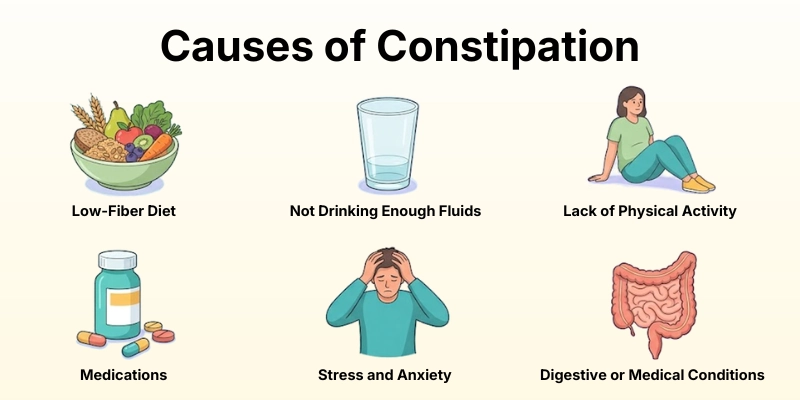
Sometimes, digestive disorders or other health problems can also play a role. Understanding what causes constipation can help you identify possible triggers and know when to seek medical advice.
Here are the main causes of constipation to understand:
- Low Fiber Diet
- Not Drinking Enough Fluids
- Lack of Physical Activity
- Ignoring the Urge to Poop
- Changes in Routine and Travel
- Too Much Caffeine or Alcohol
- Medications That Cause Constipation
- Overuse of Laxatives
- Stress and Anxiety
- Irritable Bowel Syndrome
- Hypothyroidism
- Diabetes
- Celiac Disease and Other Gut Conditions
- Nerve Conditions Like Parkinson’s Disease
- Pelvic Floor Problems
- Blockages in the Colon or Rectum
Let’s look at each cause in detail to understand how it may affect your bowel movements and contribute to constipation.
1. Low Fiber Diet
Fiber helps add bulk to stool and supports regular bowel movements. When your diet lacks enough fiber, stool may become harder and more difficult to pass, increasing the risk of constipation.
Foods such as fruits, vegetables, whole grains, beans, and lentils are important sources of dietary fiber. When you regularly eat too few fiber-rich foods, your bowel movements may become less frequent and harder to pass.
A low-fiber diet may contribute to constipation when you:
- Eat too few fruits and vegetables.
- Choose refined grains instead of whole grains.
- Rarely eat beans, lentils, and other fiber-rich foods.
- Regularly rely on processed foods that contain little fiber.
For Best Results: Increase your fiber intake gradually to help your digestive system adjust and reduce gas or bloating.
2. Not Drinking Enough Fluids
Fluids help maintain normal stool consistency and support digestion. When your body loses more fluid than you take in, dehydration can occur, which may contribute to harder stools that are more difficult to pass.
However, drinking too little water does not automatically cause constipation in everyone. Research does not fully establish that increasing fluid intake alone relieves constipation in people who are already adequately hydrated.
Not getting enough fluids may contribute to constipation, especially when you:
- Drink less water than your body needs.
- Lose fluids through heavy sweating, vomiting, or diarrhea without replacing them.
- Consume too few fluids while increasing your fiber intake.
- Experience dehydration due to illness or inadequate fluid intake.
Keep in Mind: Drink fluids regularly throughout the day, particularly if you are dehydrated or increasing the amount of fiber in your diet.
3. Lack of Physical Activity
Physical activity helps support normal bowel movements by encouraging movement through the digestive tract. When you spend most of your day sitting and rarely move around, constipation may become more likely.
A sedentary lifestyle can be especially relevant when daily routines involve prolonged sitting or limited mobility. Although inactivity is not always the direct cause, it can contribute to slower bowel function.
Physical activity-related factors that may contribute to constipation include:
- Spending most of the day sitting at a desk.
- Rarely walking or engaging in regular exercise.
- Remaining in bed for extended periods.
- Having limited mobility due to illness or physical disability.
Keep in Mind: Low activity can contribute to constipation, but other dietary, medication-related, and medical factors may also be involved.
4. Ignoring the Urge to Poop
Repeatedly ignoring the urge to have a bowel movement can contribute to constipation. When stool remains in the colon, more water may be absorbed from it, making it harder and more difficult to pass.
This habit may develop when people are busy, lack bathroom access, or feel uncomfortable using unfamiliar toilets. Over time, repeatedly delaying bowel movements can interfere with regular bathroom habits.
Common reasons for postponing bowel movements include:
- Being too busy with work or daily responsibilities.
- Avoiding public or workplace bathrooms.
- Having limited access to a clean, private toilet.
- Regularly delaying bowel movements because of an inconvenient schedule.
A Simple Reminder: Repeatedly ignoring the urge may contribute to constipation, so try not to delay bowel movements unnecessarily.
5. Changes in Routine and Travel
Changes in your usual schedule can disrupt normal bowel habits. Travel, irregular meal times, and altered sleep patterns may affect when you feel the urge to have a bowel movement.
Travel can also bring several changes together, including less physical activity, unfamiliar foods, and limited bathroom access. These factors may contribute to constipation, particularly in people who are already prone to it.
Routine-related factors that may contribute to constipation include:
- Changing your usual meal schedule.
- Traveling across time zones.
- Following an irregular sleep routine.
- Spending long periods sitting during a journey.
- Delaying bathroom visits while traveling.
Keep in Mind: Routine changes may temporarily affect bowel movements, especially when several habits change at once.
6. Too Much Caffeine or Alcohol
Caffeine and alcohol affect the body differently, and neither automatically causes constipation. Moderate caffeine intake does not necessarily cause dehydration, particularly in regular consumers, while heavy alcohol consumption may contribute to fluid loss.
These drinks may play an indirect role when they replace water, interfere with regular meals, or contribute to dehydration. The relationship varies according to the amount consumed and a person’s overall habits.
Drinking habits that may contribute to constipation include:
- Heavy alcohol consumption that contributes to dehydration.
- Drinking alcohol instead of consuming adequate fluids.
- Consuming large amounts of caffeinated drinks while neglecting overall fluid intake.
- Drinking habits that disrupt regular meals and daily routines.
Important: Caffeine and alcohol are not universal causes of constipation. Their effects depend on consumption levels and individual circumstances.
7. Medications That Cause Constipation
Some medications slow intestinal movement or change how much fluid remains in stool. Constipation may begin after starting a medication, increasing its dose, or combining medicines that have similar side effects.
The risk depends on the medicine and the individual. Opioid painkillers, iron supplements, certain antacids, and some antidepressants are well-known examples of medicines that may contribute to constipation.
Medications that may cause constipation include:
- Opioid painkillers, such as codeine and morphine.
- Iron supplements, particularly oral iron preparations.
- Antacids containing aluminum or calcium.
- Antidepressants with anticholinergic effects, including some tricyclic antidepressants.
- Certain antihistamines and calcium channel blockers used for high blood pressure.
Medical Note: If constipation begins after starting a medicine, ask your healthcare professional about possible alternatives or management options. Do not stop prescribed medication without medical advice.
8. Overuse of Laxatives
Laxatives help relieve constipation, but using them incorrectly or taking excessive doses can cause complications. Depending on the type, overuse may lead to diarrhea, dehydration, or electrolyte imbalances, which can affect normal body function.
Repeatedly relying on laxatives without investigating persistent constipation may also delay diagnosis of the underlying cause. Appropriate use of stimulant laxatives is not automatically harmful, so the type, dose, and duration matter.
Laxative-related factors that may cause problems include:
- Taking doses higher than recommended.
- Using laxatives more frequently than the product instructions advise.
- Combining several laxatives without professional guidance.
- Using laxatives for prolonged periods without reviewing persistent symptoms.
Keep in Mind: Follow the recommended instructions and seek medical advice if you regularly need laxatives to have a bowel movement.
9. Stress and Anxiety
Stress can affect communication between the brain and digestive system, potentially changing intestinal movement and bowel habits. Some people experience constipation during stressful periods, while others develop different digestive symptoms.
Stress may also contribute indirectly when it disrupts eating, sleep, physical activity, or bathroom routines. It is not always the main cause, and persistent constipation should not automatically be attributed to anxiety.
Stress-related factors that may contribute to constipation include:
- Changes in bowel movement patterns during stressful periods.
- Skipping meals or eating irregularly because of stress.
- Reduced physical activity during periods of anxiety.
- Disrupted sleep that affects daily routines.
- Repeatedly postponing bathroom visits due to stress or busy schedules.
Keep in Mind: Stress may contribute to constipation, but ongoing symptoms can have other causes that need assessment.
10. Irritable Bowel Syndrome
Irritable bowel syndrome (IBS) is a digestive disorder that can cause recurring abdominal pain and changes in bowel habits. In IBS with constipation (IBS-C), bowel movements may become less frequent, and stools may be hard or difficult to pass.
IBS is different from occasional constipation because recurring abdominal pain is an important part of the condition. Its exact cause is not fully understood, but altered gut-brain communication and changes in intestinal movement may contribute.
Factors associated with constipation in IBS include:
- Changes in intestinal movement that make stool passage slower.
- Altered communication between the brain and digestive system.
- Increased sensitivity in the digestive tract.
- IBS-related changes in bowel habits that favor hard or infrequent stools.
Medical Note: Recurrent abdominal pain with changes in bowel habits may warrant an assessment for IBS and other digestive conditions.
11. Hypothyroidism
Hypothyroidism occurs when the thyroid gland does not produce enough thyroid hormones. These hormones help regulate metabolism and other body functions, and low levels can slow digestive activity and contribute to constipation.
Constipation may occur when an underactive thyroid is untreated or inadequately controlled. However, constipation alone does not establish that someone has a thyroid disorder.
Thyroid-related factors that may contribute to constipation include:
- Low thyroid hormone levels that slow digestive activity.
- Untreated hypothyroidism.
- Inadequately controlled hypothyroidism.
- Reduced intestinal movement associated with low thyroid hormone levels.
Medical Note: A healthcare professional may recommend thyroid blood tests when constipation occurs alongside other signs of hypothyroidism.
12. Diabetes
Diabetes may contribute to constipation through several mechanisms. Persistently high blood glucose can damage nerves that control the digestive tract, potentially slowing intestinal movement.
Other factors, including dehydration associated with high blood glucose and medication side effects, may also play a role. Not everyone with diabetes develops constipation, and the underlying cause can differ between individuals.
Diabetes-related factors that may contribute to constipation include:
- Autonomic nerve damage affecting bowel movement.
- Dehydration associated with high blood glucose.
- Side effects from certain diabetes-related medications.
- Reduced physical activity or dietary changes associated with other health problems.
Keep in Mind: Persistent constipation in someone with diabetes may require a review of blood glucose control, medications, and possible nerve complications.
13. Celiac Disease and Other Gut Conditions
Certain digestive conditions can affect normal bowel function and contribute to constipation. Celiac disease is an immune-mediated condition triggered by gluten that damages the small intestine, and although diarrhea is common, some affected people experience constipation.
Other intestinal disorders may alter bowel habits or interfere with normal digestive function. The effect depends on the specific condition, and constipation alone cannot identify which disorder is present.
Gut-related conditions that may contribute to constipation include:
- Celiac disease, which can cause varied digestive symptoms.
- Diverticular disease, which may coexist with changes in bowel habits.
- Intestinal disorders that affect normal bowel movement.
- Digestive conditions associated with changes in intestinal function.
Medical Note: Persistent constipation alongside unexplained weight loss, anemia, or ongoing abdominal pain should be medically assessed.
14. Nerve Conditions Like Parkinson’s Disease
The nervous system helps coordinate intestinal movement and the muscles involved in bowel emptying. Neurological conditions that affect these functions can slow stool movement or interfere with normal bowel control.
Parkinson’s disease can affect digestive movement, while reduced mobility and certain medications may further contribute to constipation. Other neurological disorders can affect bowel function through different mechanisms.
Neurological factors that may contribute to constipation include:
- Parkinson’s disease affecting digestive movement.
- Spinal cord injuries disrupting nerve signals involved in bowel function.
- Multiple sclerosis affecting nerve communication.
- Other neurological disorders that interfere with intestinal movement or bowel control.
Medical Note: Constipation in someone with a neurological condition may have several contributing factors, including the condition itself, reduced mobility, and medication use.
15. Pelvic Floor Problems
The pelvic floor muscles need to relax and coordinate properly to allow stool to pass. When these muscles do not work together effectively, a person may struggle to empty the rectum even when stool reaches it.
This problem is known as pelvic floor dysfunction or, in some cases, a defecatory disorder. It can cause a form of constipation that may not improve sufficiently with fiber alone.
Pelvic floor-related factors that may contribute to constipation include:
- Pelvic floor muscles that do not relax properly during bowel movements.
- Poor coordination between the abdominal muscles and pelvic floor.
- Difficulty generating the pressure needed to empty the rectum.
- Structural pelvic floor problems that interfere with stool passage.
Keep in Mind: Persistent difficulty emptying the bowels may require assessment for pelvic floor dysfunction rather than simply increasing fiber intake.
16. Blockages in the Colon or Rectum
A physical blockage can prevent stool from moving normally through the colon or rectum. Possible causes include colorectal tumors, narrowing of the intestine, and severe stool impaction.
Unlike constipation caused by diet or routine changes, an intestinal obstruction can become a medical emergency. The risk is particularly concerning when constipation begins suddenly and occurs with severe pain, vomiting, or an inability to pass gas.
Conditions that may obstruct stool passage include:
- Colorectal tumors that narrow or block the bowel.
- Intestinal strictures, which are abnormal narrowings.
- Severe fecal impaction, in which hardened stool becomes lodged.
- Other structural abnormalities that obstruct the colon or rectum.
Seek Urgent Care: Severe abdominal pain, vomiting, swelling, and inability to pass gas or stool may indicate an obstruction and require emergency assessment.
Signs That Go With Constipation
Constipation can cause more than infrequent bowel movements. It may also affect stool consistency and make it uncomfortable or difficult to empty your bowels. The symptoms can vary depending on the cause and how long the problem lasts.
Common signs that may occur with constipation include:
- Hard or lumpy stools: Stool may become dry, firm, and difficult to pass.
- Straining during bowel movements: You may need to push harder than usual to pass stool.
- Bloating: Your abdomen may feel full, tight, or swollen.
- Abdominal cramps: You may experience discomfort or cramping in your belly.
- Feeling of incomplete emptying: You may feel that some stool remains after a bowel movement.
- Fewer bowel movements: You may go less often than usual, sometimes fewer than three times a week.
Symptoms such as severe abdominal pain, vomiting, blood in the stool, or an inability to pass gas require prompt medical attention. Constipation accompanied by these warning signs should not be managed with home remedies alone.
How to Prevent Constipation
A few everyday habits may help support regular bowel movements and reduce the risk of constipation. The best approach depends on your diet, activity level, bathroom habits, and any underlying health conditions.
- Eat more fiber-rich foods, such as fruits, vegetables, beans, and whole grains.
- Drink enough fluids to stay hydrated.
- Stay physically active and walk regularly.
- Follow a consistent meal and bathroom routine.
- Respond to the urge to have a bowel movement instead of delaying it.
- Review medicines that may cause constipation with your healthcare professional.
Keep in Mind: Increase fiber gradually, and seek medical advice if constipation persists despite these changes.
When to See a Doctor
Occasional constipation often improves with dietary and lifestyle changes. However, persistent symptoms or unusual changes in bowel habits may indicate an underlying health problem.
See a doctor if you experience any of these warning signs:
- Blood in or on your stool.
- Unexplained weight loss.
- Severe or worsening abdominal pain.
- Constipation that does not improve with self-care or keeps returning.
- Sudden, persistent changes in bowel habits.
Seek emergency care if you cannot pass stool or gas and have severe abdominal pain, vomiting, or abdominal swelling, as these may indicate an intestinal blockage.
Conclusion
In this guide, we have covered the common causes, from a low-fiber diet and limited physical activity to medication side effects and underlying medical conditions. Understanding what causes constipation can help you identify possible triggers and make informed changes to your daily habits.
Eating fiber-rich foods, staying active, drinking enough fluids, and responding to the urge to have a bowel movement may help support regular bowel movements.
If constipation lasts for several weeks, keeps returning, or occurs with warning signs such as blood in the stool or unexplained weight loss, consult a healthcare professional to determine the cause and appropriate next steps.
FAQs About the Causes of Constipation
Here are answers to common questions about the causes of constipation:
1. How long does constipation usually last?
Constipation may last a few days or longer, depending on its cause. Temporary constipation often improves when eating habits, fluid intake, or daily routines change. If it persists for several weeks, consult a healthcare professional.
2. Can constipation cause bloating and gas?
Yes, constipation can cause bloating and gas because stool buildup may contribute to abdominal discomfort. These symptoms can also occur when intestinal movement slows down. Persistent or severe bloating should be medically assessed.
3. What are the main causes of constipation?
The main causes of constipation include:
- Eating too little fiber.
- Not drinking enough fluids.
- Lack of physical activity.
- Ignoring the urge to have a bowel movement.
- Certain medications and hormonal changes.
- Medical conditions such as hypothyroidism and IBS.
4. Can hormonal changes cause constipation in women?
Yes, hormonal changes during the menstrual cycle and pregnancy may affect bowel movements in some women. Pregnancy can also contribute through changes in digestive movement and pressure on the intestines. Persistent constipation during pregnancy should be discussed with a healthcare professional.
5. Why does constipation happen during pregnancy?
Constipation during pregnancy may result from hormonal changes that slow digestion. Iron supplements, reduced physical activity, and changes in fluid intake can also contribute. Pregnant women should consult their healthcare professional before using laxatives.
6. Can constipation cause back pain?
Constipation may sometimes cause lower back discomfort alongside abdominal bloating or cramping. However, back pain can have many other causes and should not automatically be blamed on constipation. Seek medical attention for severe pain or pain accompanied by other concerning symptoms.
7. What foods can make constipation worse?
Foods and eating habits that may contribute to constipation include:
- Eating too many refined grains.
- Consuming large amounts of processed foods.
- Eating too few fruits and vegetables.
- Not getting enough whole grains and beans.
8. Can constipation affect appetite?
Yes, constipation may cause bloating, abdominal fullness, and discomfort that temporarily reduce your appetite. Persistent appetite loss or unexplained weight loss should not be attributed to constipation alone. Consult a healthcare professional if these changes continue.
9. What is the difference between constipation and bowel obstruction?
Constipation usually involves hard stools, straining, or infrequent bowel movements, while a bowel obstruction involves a blockage that prevents intestinal contents from passing normally.
An obstruction may cause severe abdominal pain, vomiting, and an inability to pass gas or stool. These symptoms require emergency medical assessment.
10. When does constipation become chronic?
Constipation may be considered chronic when symptoms persist for several months. Common signs and related factors include:
- Fewer bowel movements than usual.
- Repeated difficulty passing stool.
- Hard stools and frequent straining.
- Ongoing symptoms despite lifestyle changes.
- Possible underlying medical conditions or medication effects.





- Be Respectful
- Stay Relevant
- Stay Positive
- True Feedback
- Encourage Discussion
- Avoid Spamming
- No Fake News
- Don't Copy-Paste
- No Personal Attacks
- Be Respectful
- Stay Relevant
- Stay Positive
- True Feedback
- Encourage Discussion
- Avoid Spamming
- No Fake News
- Don't Copy-Paste
- No Personal Attacks
