Causes of Swollen Lips: Common Reasons and When to Worry
Published: 26 Oct 2026
Have you noticed that one or both of your lips have suddenly become swollen and wondered what caused it? Lip swelling can happen without warning, making it difficult to know whether it is something minor or a sign of a more serious problem.
In some cases, the swelling may result from a mild allergic reaction, a small injury, or irritation. In other cases, it can be linked to an infection, a medication, or an underlying health condition that needs medical attention.
Learning about the causes of swollen lips can help you better understand what may be triggering the swelling and when it is important to seek medical care.
Causes of Swollen Lips
Swollen lips can develop for many different reasons. In some cases, the cause is temporary, and the swelling improves within a short time. In other cases, it may be related to an infection, an allergic reaction, or an underlying medical condition that requires treatment.
The swelling may affect the upper lip, the lower lip, or both lips, depending on the underlying cause. Identifying the reason behind the swelling is important because the right treatment depends on what is causing it. Below are the most common causes of swollen lips.
- Allergic Reactions
- Angioedema
- Insect Bites or Stings
- Lip Injury or Trauma
- Infections
- Tooth or Gum Infection
- Sunburn
- Cosmetic Products
- Certain Medications
- Spicy or Acidic Foods
- Dehydration
- Autoimmune Diseases
- Nutritional Deficiencies
- Rare Medical Conditions
Let’s take a closer look at each cause and understand how it can lead to swollen lips.
1. Allergic Reactions
An allergic reaction is one of the most common causes of swollen lips. It occurs when your immune system reacts to a substance that it mistakenly sees as harmful. The swelling can affect one or both lips and may develop within minutes or a few hours after exposure.
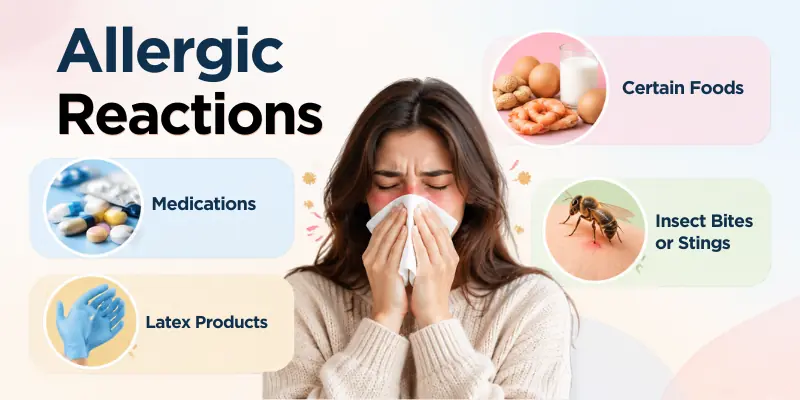
In many cases, the swelling is mild and improves after avoiding the allergen or taking appropriate treatment. However, a severe allergic reaction can cause swelling of the lips, tongue, or throat and requires immediate medical attention.
Common allergy triggers include:
- Certain foods, such as peanuts, shellfish, eggs, and milk
- Medications, including antibiotics and pain relievers
- Insect bites or stings
- Latex products
- Pollen, dust, or pet dander
- Lipsticks, lip balms, and other cosmetic products
2. Angioedema
Angioedema is a condition that causes sudden swelling beneath the skin. It commonly affects the lips, eyelids, tongue, and throat. The swelling often develops quickly and may last from several hours to a few days.
Angioedema can occur because of an allergic reaction, certain medications, or inherited conditions. In some people, the exact cause is never identified. When the swelling affects the tongue or throat, it can make breathing difficult and requires emergency medical care.
Common causes of angioedema include:
- Food or medication allergies
- ACE inhibitor medications used to treat high blood pressure
- Insect bites or stings
- Hereditary angioedema
- Autoimmune disorders
- Unknown causes in some cases
3. Insect Bites or Stings
Insect bites or stings can cause swollen lips if they occur directly on the lips or trigger an allergic reaction. The swelling usually appears soon after the bite or sting and may be mild or more noticeable, depending on how your body reacts.
Most cases improve within a few days with basic care. However, some people develop a severe allergic reaction that causes rapid swelling of the lips, tongue, or throat and needs immediate medical treatment.
Common insects that can cause lip swelling include:
- Bees
- Wasps
- Hornets
- Mosquitoes
- Ants
- Spiders
4. Lip Injury or Trauma
A lip injury or trauma can cause swelling by damaging the soft tissues of the lips. The swelling usually develops soon after the injury and may be accompanied by pain, bruising, or minor bleeding. In most cases, it improves gradually as the injured tissue heals.
Minor injuries often get better with simple home care, but severe injuries may require medical treatment. If the swelling is severe, does not improve, or is associated with a deep cut, it is important to see a doctor.
Common causes of lip injuries include:
- Falls or accidental blows to the face
- Sports-related injuries
- Biting your lip
- Dental procedures
- Burns from hot food or drinks
- Piercings or other injuries to the lips
5. Infections
Infections are another common cause of swollen lips. They occur when viruses, bacteria, or fungi enter the tissues around the lips and trigger inflammation. Depending on the type of infection, the swelling may develop gradually or appear within a short time.
Along with swelling, you may notice pain, redness, blisters, sores, pus, or fever. Treating the underlying infection usually helps reduce the swelling and prevents the condition from getting worse.
Common infections that can cause swollen lips include:
- Viral infections, such as cold sores
- Bacterial skin infections
- Fungal infections
- Infected cuts or cracks on the lips
- Oral infections that spread to the lips
6. Tooth or Gum Infection
A tooth or gum infection can sometimes cause swelling that spreads to the lips, especially when the infection is severe or left untreated. This is one of the common causes of a swollen upper lip when the infection affects the upper teeth
In addition to swollen lips, you may experience tooth pain, swollen gums, a bad taste in your mouth, or pus around the affected tooth. Treating the dental infection is important to prevent it from spreading. If you’re experiencing dental pain along with lip swelling, you may also find our home remedies for toothache guide helpful while waiting to see a dentist.
Common dental problems that can cause swollen lips include:
- Tooth abscess
- Gum infection (gingivitis or periodontitis)
- Untreated tooth decay
- Impacted wisdom tooth
- Infection after a dental procedure
- Severe oral infection that spreads to nearby tissues
7. Sunburn
Too much exposure to the sun can damage the delicate skin on your lips and cause them to become swollen. Sunburned lips often feel sore, dry, and sensitive. In some cases, the skin may blister or peel as it heals.
Most mild cases improve within a few days with proper lip care and by avoiding further sun exposure. Repeated sun damage can increase the risk of long-term lip problems, so it is important to protect your lips when spending time outdoors.
Signs of sunburned lips may include:
- Swelling
- Redness
- Pain or tenderness
- Dryness
- Blisters
- Peeling skin
8. Cosmetic Products
Some cosmetic and personal care products can irritate the lips or trigger an allergic reaction, leading to swelling. This may happen after using a new product or one that contains ingredients your skin is sensitive to. The swelling can appear shortly after application or develop after repeated use.
In addition to swollen lips, you may notice itching, redness, burning, or dryness. Stopping the use of the product usually helps prevent the reaction from getting worse.
Common products that may cause swollen lips include:
- Lipsticks
- Lip balms
- Lip plumpers
- Lip glosses
- Toothpaste
- Mouthwash
9. Certain Medications
Some medications can cause swollen lips as a side effect or by triggering an allergic reaction. The swelling may appear soon after starting a new medicine or even after taking the same medication for a long time. In some cases, the reaction can become serious and requires immediate medical attention.
If you notice swollen lips after taking a medication, do not stop it without speaking to your doctor unless you are having a severe allergic reaction. Your healthcare provider can determine whether the medicine is responsible and recommend a suitable alternative.
Medications that may cause swollen lips include:
- ACE inhibitors used to treat high blood pressure
- Antibiotics
- Nonsteroidal anti-inflammatory drugs (NSAIDs)
- Aspirin
- Certain chemotherapy drugs
- Some anticonvulsant medications
10. Spicy or Acidic Foods
Eating spicy or acidic foods can sometimes irritate the sensitive skin on your lips and cause mild swelling. This reaction is usually temporary and is more common in people with sensitive skin or existing cracks on their lips. The swelling often improves once the irritation goes away.
You may also notice a burning sensation, redness, or mild discomfort after eating these foods. Avoiding foods that trigger irritation can help prevent future episodes of lip swelling.
Foods that may cause lip irritation include:
- Hot peppers
- Spicy sauces
- Citrus fruits
- Tomatoes
- Pineapple
- Vinegar-based foods
11. Dehydration
Dehydration can reduce the amount of moisture in your body, causing your lips to become dry, cracked, and irritated. In some cases, this irritation may lead to mild swelling, especially if the lips are severely chapped or exposed to dry weather.
Drinking enough water and keeping your lips moisturized can help relieve dryness and support healing. If dehydration is causing other symptoms, you may also find our Signs of Dehydration article helpful for recognizing the warning signs.
Dehydration-related lip changes may include:
- Dry lips
- Cracked lips
- Mild swelling
- Peeling skin
- Tightness or discomfort
- Increased sensitivity
12. Autoimmune Diseases
Some autoimmune diseases can cause swollen lips by triggering ongoing inflammation in the body’s tissues. In these conditions, the immune system mistakenly attacks healthy cells, which may lead to swelling that comes and goes or lasts for a longer period.
Lip swelling caused by an autoimmune disease is often accompanied by other symptoms, depending on the underlying condition. A proper diagnosis is important because treating the underlying disease can help reduce inflammation and prevent recurring episodes of swelling.
Autoimmune diseases that may cause swollen lips include:
- Lupus
- Crohn’s disease
- Sarcoidosis
- Dermatomyositis
13. Nutritional Deficiencies
Nutritional deficiencies can affect the health of your lips and, in some cases, lead to swelling. When your body does not get enough essential vitamins and minerals, the lips may become dry, cracked, inflamed, or swollen. Although this is a less common cause of lip swelling, it should not be overlooked, especially if the problem keeps coming back.
Lip swelling caused by a nutritional deficiency often develops gradually and may occur along with other symptoms, such as fatigue, mouth sores, or cracks at the corners of the mouth. Identifying and correcting the deficiency can help improve your symptoms.
Common nutritional deficiencies linked to swollen lips include:
- Vitamin B12 deficiency
- Vitamin B2 (riboflavin) deficiency
- Iron deficiency
- Folate deficiency
- Zinc deficiency
14. Rare Medical Conditions
In some cases, swollen lips are caused by rare medical conditions that affect the lips or the body’s immune system. These conditions are uncommon but can lead to persistent or recurring lip swelling. If no obvious reason for swollen lips is found, your doctor may recommend further testing to identify the underlying cause.
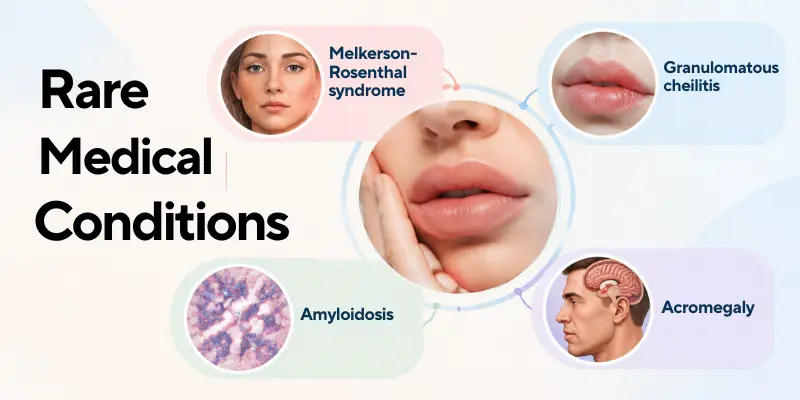
People with these conditions may also experience other symptoms, such as facial swelling, skin changes, or ongoing inflammation. Early diagnosis can help manage the condition and reduce future episodes of lip swelling.
Rare medical conditions that may cause swollen lips include:
- Melkersson-Rosenthal syndrome
- Granulomatous cheilitis
- Amyloidosis
- Acromegaly
Risk Factors for Swollen Lips
Certain factors can increase your chances of developing swollen lips. Having one or more of these risk factors does not mean you will experience lip swelling, but they may make it more likely. Knowing these factors can help you reduce your risk and protect your lip health.
Here are some common risk factors for swollen lips:
- History of allergies: Increases the risk of allergic reactions that can cause lip swelling.
- Sensitive skin: Makes the lips more likely to become irritated by cosmetics or skincare products.
- Food allergies: Certain foods can trigger sudden swelling in sensitive individuals.
- Taking certain medications: Some medicines may cause lip swelling as a side effect or allergic reaction.
- Poor oral hygiene: Increases the risk of tooth and gum infections that can spread to the lips.
- Autoimmune diseases: Ongoing inflammation from these conditions can lead to recurring lip swelling.
- Frequent sun exposure: Can damage the lips and increase the risk of sunburn-related swelling.
- Insect bites or stings: May cause local swelling or trigger an allergic reaction.
- Previous episodes of angioedema: Raises the chance of experiencing future episodes of lip swelling.
- Previous allergic reactions: People with past allergic reactions are more likely to experience swollen lips again.
Symptoms That May Occur Along With Swollen Lips
Swollen lips can occur with different symptoms depending on the underlying cause. Some people experience only mild discomfort, while others may develop symptoms that indicate an infection, an allergic reaction, or another medical condition. Paying attention to these symptoms can help you understand when it is time to seek medical care.
Here are the common symptoms that may occur along with swollen lips:
- Pain: The lips may feel sore or tender, especially after an injury or infection.
- Redness: Inflamed lips often appear red or darker than usual.
- Itching: Itching is common when an allergic reaction or irritation causes swollen lips.
- Burning sensation: You may feel burning or stinging after eating spicy foods or using certain lip products.
- Numbness: Some people experience temporary numbness or tingling in the swollen area.
- Dry or cracked lips: Dehydration, sunburn, or irritation can make the lips dry and cracked.
- Blisters: Fluid-filled blisters may develop due to viral infections, such as cold sores, or severe sunburn.
- Rash: A skin rash around the lips may occur because of allergies or skin conditions.
- Difficulty eating: Swelling can make chewing or opening your mouth uncomfortable.
- Difficulty speaking: Severe swelling may affect normal lip movement and speech.
- Fever: A fever may be a sign that an infection is causing the lip swelling.
- Swelling of the face or tongue: This may indicate a severe allergic reaction and requires immediate medical attention.
When Should You See a Doctor?
Swollen lips are often mild and improve within a short time. However, some cases may be a sign of an infection, a severe allergic reaction, or another condition that needs medical care. Knowing when to see a doctor can help prevent serious complications.
Seek medical care if you notice any of the following:
- Swelling appears suddenly without a clear reason: A doctor can help identify the underlying cause.
- Swelling lasts longer than 24 to 48 hours: Persistent swelling should be evaluated.
- Severe pain develops: Intense pain may indicate an infection or a serious injury.
- Fever occurs: Fever along with swollen lips may be a sign of an infection.
- Pus is present: This may indicate a bacterial infection that requires treatment.
- You have repeated episodes of swollen lips: Recurring swelling may be linked to allergies or an underlying medical condition.
- Swelling spreads to the face: Worsening swelling should be assessed by a healthcare provider.
Seek emergency medical help immediately if you experience:
- Trouble breathing: This may be a sign of a life-threatening allergic reaction.
- Difficulty swallowing: Swelling in the throat can block the airway.
- A swollen tongue: This can quickly interfere with breathing.
- A swollen throat: Immediate treatment is needed to protect your airway.
- Signs of a severe allergic reaction: These may include widespread swelling, wheezing, or dizziness.
- Loss of consciousness: This is a medical emergency and requires immediate care.
Conclusion
In this guide, we covered the most common causes of swollen lips, including allergic reactions, infections, injuries, medications, dehydration, and certain medical conditions. We also discussed the symptoms that may occur with lip swelling, the risk factors, and the warning signs that mean you should see a doctor.
While many cases of swollen lips improve with proper care, persistent, recurring, or severe swelling should never be ignored. Identifying the underlying cause is the best way to receive the right treatment and prevent future episodes. If your symptoms worsen or you have trouble breathing or swallowing, seek emergency medical care immediately.
Frequently Asked Questions
If you still have questions about the causes of swollen lips, the answers below may help clear up some common concerns.
1. What causes swollen lips overnight?
Swollen lips that appear overnight can happen for several reasons. Common causes include:
- Allergic reactions to foods or medications
- Insect bites or stings
- Angioedema
- Lip injury from biting your lip while sleeping
- Tooth or gum infection
- Irritation from lip balm, lipstick, or toothpaste
2. Can dehydration cause swollen lips?
Yes, dehydration can contribute to swollen lips by making them dry, cracked, and irritated. Although it is not a common cause, severe dryness can lead to mild swelling. If you also have a dry mouth or other symptoms, staying hydrated may help improve your condition.
3. Why is only my upper lip swollen?
A swollen upper lip may be caused by:
- Allergic reactions
- Insect bites or stings
- Tooth or gum infection
- Lip injury or trauma
- Angioedema
- Irritation from cosmetic products
4. Why is only my lower lip swollen?
A swollen lower lip may result from:
- Lip biting or other injuries
- Allergic reactions
- Tooth or gum infection
- Insect bites
- Spicy or acidic foods
- Viral or bacterial infections
5. Can stress cause swollen lips?
Stress does not usually cause swollen lips directly. However, it can trigger or worsen conditions such as cold sores or angioedema, which may lead to lip swelling in some people.
6. Are swollen lips always caused by allergies?
No. Allergies are only one of the many causes of swollen lips. Lip swelling can also result from infections, injuries, medications, dehydration, sunburn, dental problems, or underlying medical conditions.
7. Can toothpaste cause swollen lips?
Yes, some toothpastes contain ingredients that may irritate the lips or trigger an allergic reaction. If your lips become swollen after using a new toothpaste, stop using it and speak with a healthcare provider if the swelling continues.
8. How long do swollen lips usually last?
The duration depends on the underlying cause. Mild swelling from a minor injury or irritation often improves within one to three days, while swelling caused by an infection or another medical condition may last longer.





- Be Respectful
- Stay Relevant
- Stay Positive
- True Feedback
- Encourage Discussion
- Avoid Spamming
- No Fake News
- Don't Copy-Paste
- No Personal Attacks
- Be Respectful
- Stay Relevant
- Stay Positive
- True Feedback
- Encourage Discussion
- Avoid Spamming
- No Fake News
- Don't Copy-Paste
- No Personal Attacks
